
Pastor Accused Of Using ‘God Chose You’ Claims To Lure Church Members Into $13m Fraud, Spending Funds On Luxuries
Pastor Accused Of Using ‘God Chose You’ Claims To Lure Church Members Into $13m Fraud, Spending Funds On Luxuries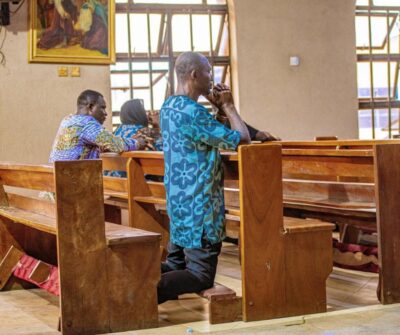
According to the indictment, Popescu allegedly created and operated a fake internet company called Followone, Inc., which he presented as a successful online marketplace and social networking platform.

A46-year-old pastor of a Christian congregation in Kirkland, Washington, United States, Cristian Popescu, has been indicted on 10 counts of wire fraud and five counts of money laundering over an alleged $13 million scheme in which he allegedly defrauded more than 30 investors, including members of his church.
The United States Department of Justice said Popescu, pastor of Passion for Christ church and a Romanian citizen residing in the US, was arraigned on Tuesday, October 13, 2026, in the U.S. District Court in Seattle.
However, Popescu pleaded not guilty to the charges and his trial has been scheduled for December 21, 2026.
According to the indictment, Popescu allegedly created and operated a fake internet company called Followone, Inc., which he presented as a successful online marketplace and social networking platform.
Prosecutors said he claimed the Bellevue-based company allowed users to buy and sell goods and services including cars, real estate, healthcare, food and travel.
However, investigators alleged that the platform was essentially made up of non-functional screens and that Popescu used false claims and deceptive marketing materials to convince investors that the company was highly valuable and profitable.
“Popescu lured investors from his church with fake marketing materials, websites, and expensive offices, and then took their money for his own luxuries and day trading, betraying them financially and faithfully,” Acting U.S. Attorney Charles Neil Floyd said.
Prosecutors alleged that Popescu falsely told investors that Followone was generating millions of dollars in revenue, was preparing for a listing on the Nasdaq stock exchange and had substantially increased the value of shareholders’ investments.
Popescu was also accused of using his position as a pastor to recruit investors from his congregation, telling them that God had chosen them to invest in the company and that their investments would help advance the church’s mission.
He allegedly assured investors that their funds would remain within Followone and could be withdrawn whenever they wanted.
Instead, prosecutors said Popescu transferred millions of dollars from Followone to accounts controlled by himself, his wife and other relatives.
Prosecutors alleged that more than $4.5 million in Followone funds was transferred to accounts belonging to Popescu, his wife and other family members.
He also allegedly paid himself more than $1 million in wages between 2017 and 2024, while his wife, who prosecutors said was not a Followone employee, received about $300,000.
Investigators further alleged that Popescu used shell companies to create the appearance that Followone had legitimate business relationships with other companies.
According to prosecutors, he allegedly used investor funds to pay fake invoices to those shell companies, which he controlled, before diverting the money for his personal benefit.
Popescu also allegedly created a website showing that investors’ money had increased substantially in value and at one point claimed that Followone was worth $1.4 billion, despite allegedly knowing that the company had little or no actual value.
The alleged fraud was reportedly accompanied by elaborate efforts to maintain the appearance of a successful business.
Popescu allegedly issued his own press releases containing false claims about Followone’s performance, claimed to have hired software engineers from major technology companies and rented expensive office space in Bellevue.
He was said to have claimed that the company had 20 employees, although prosecutors said only three people actually worked there.
Prosecutors also alleged that Popescu offered investors the opportunity to join Followone’s board if they invested at least $1 million.
He allegedly encouraged victims to withdraw money from retirement accounts, take out personal or home-equity loans and use their children’s college savings to invest in the company.
Some victims reportedly invested hundreds of thousands of dollars.
One victim allegedly transferred nearly $1 million in a single transaction, while other investors transferred almost $600,000 and $500,000.
Prosecutors said Popescu imposed strict secrecy requirements on investors, requiring them to sign non-disclosure agreements and communicate through encrypted messaging services.
During meetings, he allegedly instructed investors to switch off their phones and disable smart devices such as Amazon Alexa.
When investors later demanded their money back, prosecutors said Popescu stalled, claiming that repayment would jeopardise the company’s planned stock-market listing.
When some investors questioned his representations about Followone, he allegedly invoked his position as a pastor, became angry and accused them of being “demonically possessed.”
The alleged scheme eventually collapsed after Followone was evicted from its expensive Bellevue offices over an unpaid rent bill exceeding $350,000, according to prosecutors.
Popescu is charged with 10 counts of wire fraud relating to the solicitation and payment of investments and five counts of money laundering involving transfers of Followone funds into his personal bank account.
If convicted, each wire fraud count carries a maximum sentence of 20 years in prison and a fine of up to $250,000, while money laundering is punishable by up to 10 years in prison and a fine of up to $250,000.
FBI Seattle Special Agent in Charge W. Mike Herrington said the alleged scheme involved the abuse of the trust placed in Popescu by members of his church.
“These charges allege that a religious leader abused the trust of his fellow believers to steal millions of dollars for his own personal benefit,” Herrington said.
Herrington added that Popescu allegedly defrauded dozens of church members through claims including promises of a future stock exchange listing and assertions that the company’s profits would benefit the community.
IRS Criminal Investigation Special Agent in Charge Carrie Nordyke also said financial crimes can have devastating consequences for victims, particularly when perpetrators exploit positions of trust.
Despite prosecutors’ objections, Popescu was ordered released on electronic monitoring pending trial.