
Iranian Government Calls Trump ‘Big Liar’, Says US Should Admit Failure In Ongoing War
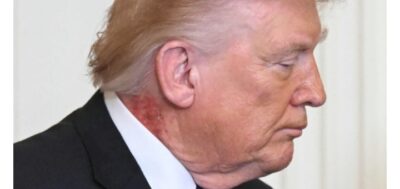 Iranian Government Calls Trump ‘Big Liar’, Says US Should Admit Failure In Ongoing War
The two sides remain divided over Iran’s nuclear programme, sanctions, the Strait of Hormuz and the terms for ending hostilities.
Iran’s Islamic Revolutionary Guard Corps (IRGC) has labelled US President Donald Trump as a “big liar,” accusing him of making false statements about Iran’s nuclear programme and the ongoing war between Washington and Tehran.
The IRGC spokesperson, Hossein Mohebbi, made the remarks on Tuesday, September 29, a day after Trump said the United States would win the war against Iran “very soon.”
Speaking from the Oval Office on Monday, Trump said US officials were communicating with mediators in an effort to end the conflict but insisted that Washington would emerge victorious.
“We are going to win one way or the other,” Trump said, according to media reports.
Trump’s comments came as the United States and Iran were engaged in separate contacts through mediators aimed at finding a way to end the conflict.
The two sides remain divided over Iran’s nuclear programme, sanctions, the Strait of Hormuz and the terms for ending hostilities.
Mohebbi responded to Trump’s claims about the US military actions and Iran’s nuclear capabilities.
“The American people need to be told the truth,” the IRGC spokesperson said, according to The Jerusalem Post, describing Trump as a “big liar” and arguing that the United States had failed in its military campaign against Iran.
He demanded that Washington acknowledge its failure and leave the Middle East.
Trump has repeatedly made Iran’s nuclear programme a central justification for US military action against the country.
The US president has maintained that Iran must not be allowed to obtain a nuclear weapon and has previously claimed that American strikes destroyed Iran’s nuclear capabilities.
In February, Trump said Iran was rebuilding its nuclear weapons programme and vowed that he would not allow Tehran to acquire a nuclear weapon.
The White House has maintained that preventing Iran from obtaining a nuclear weapon is a principal objective of US policy.
Iran, however, has denied seeking nuclear weapons and maintains that its nuclear programme is intended for peaceful purposes.
There have been reports that Iran does not possess nuclear weapons and that Tehran says it has a right to develop nuclear technology for peaceful purposes under the Nuclear Non-Proliferation Treaty.
Trump also said in June that the US had destroyed Iran’s military and insisted that Tehran could not be allowed to have a nuclear weapon.
He said Washington would win the conflict either militarily or through a negotiated agreement.
The current US-Iran war began on February 28, 2026, when the United States and Israel launched attacks against Iran, targeting nuclear and military infrastructure.
Iran responded with strikes against Israel and Gulf states hosting US military bases, turning the confrontation into a wider regional conflict.
The fighting has continued for months, with periods of attempted ceasefires and renewed military action.
The conflict has involved attacks on military facilities, nuclear-related sites, energy infrastructure and shipping routes, while the Strait of Hormuz has emerged as one of the major flashpoints.
The strategic waterway is crucial to global oil shipments, and efforts to reopen it have become central to negotiations between Iran and the United States.
Iran has linked the reopening of the strait to an end to hostilities and the easing of US pressure and sanctions.
The conflict has also caused major disruption to regional energy markets and displaced millions, according to Reuters.
Despite the continuing military confrontation, Washington and Tehran have maintained indirect diplomatic contacts through mediators.
Iran has proposed a framework involving an end to hostilities, the reopening of the Strait of Hormuz, the unfreezing of Iranian assets and the lifting of US sanctions, in exchange for renewed negotiations over its nuclear programme, including uranium enrichment.
Trump has rejected aspects of Iran’s proposal while indicating that negotiations could continue.
On Monday, September 28, he also denied reports that he had offered Tehran sanctions relief and the release of frozen Iranian funds in exchange for nuclear concessions, saying on Truth Social, “This is untrue. I offered them NOTHING.”
Iranian officials have continued to reject Washington’s description of the conflict and have warned that any renewed US military escalation could trigger further Iranian attacks.
The IRGC has previously warned that Iran would change its weapons, tactics and targets if the United States escalated the war.
Mohebbi said last week that the Guards had prepared for a prolonged conflict and warned that the geography of the war could change if fresh attacks were launched.
The latest comments from Mohebbi therefore come as both sides publicly maintain competing claims about the course of the war, while diplomatic efforts continue to seek an end to the fighting.