We Are Tired of Promises” — Doctors Give FG Two Weeks
 “We Are Tired of Promises” — Doctors Give FG Two Weeks
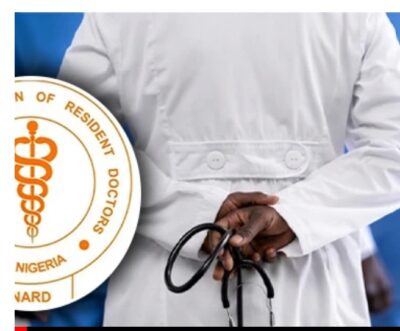
The National Association of Resident Doctors has given the Federal Government a two-week ultimatum to resolve outstanding welfare and professional issues affecting its members, warning that failure to do so could trigger industrial action that would disrupt healthcare services across the country.
The ultimatum is contained in resolutions reached at the association’s 46th Annual General Meeting held in Calabar, Cross River State, on Sunday, September 27, 2026. The NARD National President, Dr Ogar Emmanuel Idoko, who was newly elected at the meeting, read the resolutions. The resident doctors expressed concern over the slow pace of implementation of agreements reached between the association and the Federal Government, saying prolonged delays had become unacceptable.
The association demanded immediate action on outstanding issues relating to remuneration, career progression, professional allowances, excessive workload, manpower shortages and the general welfare of resident doctors. It called for the immediate implementation of agreements reached with the Federal Government, particularly those relating to improved conditions of service and professional development, and urged the government to conclude the review of existing remuneration and professional salary structures for doctors, saying the current framework no longer adequately reflected prevailing economic realities.
NARD also demanded appropriate compensation for excess workload arising from manpower shortages in hospitals, noting that resident doctors were increasingly carrying additional responsibilities. It called for standardised templates for compensation for excess workload and reliable data to justify payments to doctors performing duties beyond their normal responsibilities. The association expressed concern over attacks on health workers and called for the full implementation of policies and anti-assault measures designed to protect doctors and other medical personnel in hospitals.
The continuing migration of doctors and other health professionals from Nigeria was also raised, with NARD saying the development had worsened manpower shortages and increased the workload on doctors who remained in the country. The association urged the Federal Ministry of Health and Social Welfare to urgently address the factors responsible for the continued migration of medical professionals. It also called on state governments to prioritise the welfare of doctors and other health workers employed by their respective institutions and ensure the implementation of relevant welfare policies. It demanded improved infrastructure, adequate medical equipment and better working conditions in health institutions to enhance patient safety and improve healthcare delivery.
The resolution urged the National Assembly to strengthen budgetary provisions for healthcare, stressing that adequate funding remained critical to addressing challenges in the sector. The association demanded the prompt payment of salaries and other entitlements owed to house officers and called for their inclusion in relevant welfare arrangements. On electronic clocking systems in hospitals, NARD said it was not opposed to their deployment, provided they were properly implemented and used to support accurate data management rather than punish medical personnel.
The doctors observed that several agreements and commitments reached with the Federal Government had remained unresolved despite repeated meetings and assurances. The association therefore urged the government to use the two-week window to address the outstanding issues and avert a breakdown of industrial harmony in the health sector. The resident doctors said resolving the disputes would improve their welfare, reduce burnout and ultimately enhance the quality of healthcare available to Nigerians.
The ultimatum comes amid a long-running dispute between NARD and the Federal Government over welfare and professional issues. The association had previously issued a series of ultimatums and strike threats in 2026. In April, resident doctors suspended a planned indefinite strike and gave the government a two-week ultimatum to address outstanding welfare issues, including unpaid allowances and the 2026 Medical Residency Training Fund. In June, NARD extended its ultimatum by four weeks, citing the non-disbursement of the 2026 MRTF, delayed payment of house officers’ salaries and outstanding entitlements in several centres. In August, the association issued a 13-point demand and an August 10 ultimatum, warning of a nationwide strike if the government failed to act. The persistent failure to resolve these issues has eroded trust between the doctors and the government, and the latest ultimatum reflects the depth of frustration within the association.
The government has not yet issued a formal response to the latest ultimatum. However, President Bola Tinubu had previously directed the Federal Ministry of Health and Social Welfare to take all necessary and legitimate steps to ensure that members of NARD returned to work following an indefinite strike in September. The government has consistently maintained that it is working to address the doctors’ demands, but the slow pace of implementation has frustrated the association and its members.
The 46th Annual General Meeting also saw the election of new national officers, with Dr Ogar Emmanuel Idoko emerging as president alongside other members of the National Executive Council. The association urged the new leadership to pursue the implementation of the resolutions and sustain engagement with the government towards achieving improved conditions of service for resident doctors.
For patients across Nigeria, the prospect of another nationwide strike by resident doctors is a source of anxiety. Resident doctors are the backbone of service delivery in teaching hospitals and federal medical centres, and their absence would severely disrupt healthcare services, particularly in emergency departments, surgical theatres and intensive care units. The government’s response within the next two weeks will determine whether the health sector faces another period of industrial disruption or whether a resolution can be reached. As NARD put it, resolving the disputes would improve their welfare, reduce burnout and ultimately enhance the quality of healthcare available to Nigerians. The coming days will reveal whether the government treats the ultimatum with the urgency it demands.