
US announces new sanctions on Iran
US announces new sanctions on Iran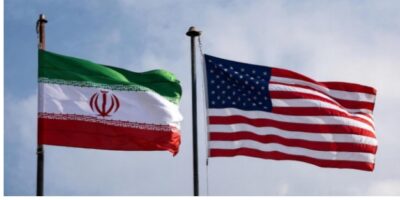
The United States has announced a fresh round of economic sanctions against Iran as Washington intensifies efforts to isolate Tehran and disrupt its financial and commercial networks.

US Treasury Secretary Scott Bessent announced the new measures on Monday, warning countries and entities that continue to conduct business with Iran that they could face punitive action from the United States.
Bessent said the administration was launching what he described as an “economic onslaught” against Iran’s financial connections, with the objective of cutting off the country’s economic pipeline until Tehran is isolated.
He said President Donald Trump was already contacting world leaders and making specific requests for them to halt trade and other economic dealings with the Iranian government.
“We are level-setting with every country to tell them our expectations,” Bessent said, warning that countries and entities targeted by future US Treasury measures would have themselves to blame.
The new sanctions are part of the Trump administration’s broader campaign to increase economic pressure on Iran following months of military conflict and escalating tensions between Washington and Tehran.
US targets companies, individuals and vessels
The sanctions are expected to affect international entities involved in facilitating Iranian trade across several sectors, including shipping, oil, cryptocurrency, gold and aviation.
The US Treasury Department also announced sanctions against nearly 60 corporations, individuals and vessels operating across multiple jurisdictions.
According to the department, the sanctioned entities have helped facilitate activities that Washington considers supportive of the Iranian regime.
Several Chinese nationals are reportedly included on the sanctions list, potentially raising tensions between Washington and Beijing over the enforcement of US restrictions on Iranian trade.
Bessent warned that the US sanctions regime would reach entities regardless of their location or nationality.
“No one is above the reach of US sanctions,” he said.
China rejects US sanctions pressure
The new measures could further complicate relations between the United States and China, which remains Iran’s largest trading partner.
Beijing has previously maintained that unilateral sanctions imposed by the United States are not legally binding on Chinese citizens and has opposed Washington’s attempts to compel other countries to comply with its sanctions policy.
China’s position could make enforcement of the latest measures more difficult, particularly in sectors involving Iranian oil exports and international shipping.
The US, however, has continued to threaten secondary sanctions against foreign companies and financial institutions that assist Iran in circumventing American restrictions.
Iran vows to withstand economic pressure
Iran has rejected the latest US measures and said it is prepared for what its officials described as an economic war.
Iranian Economy Minister Ali Madanizadeh responded to Bessent’s announcement by saying that the government was prepared for the confrontation and predicting that the US would fail in its latest attempt to pressure Tehran.
“The government is fully prepared for this economic war. You will fail this time too,” Madanizadeh said.
The latest sanctions come as tensions between the two countries remain high following months of military confrontation.
The Trump administration has repeatedly demanded major concessions from Tehran, particularly regarding its nuclear programme and broader regional activities.
Strait of Hormuz tensions persist
Trump has also issued strong warnings over the strategic Strait of Hormuz, a major global energy route through which a significant portion of the world’s oil supply passes.
The US president previously said that after defeating Iran, he would consider declaring the Strait of Hormuz a US territory, a statement that further heightened concerns over the strategic waterway.
The development has added to uncertainty in global energy markets, given the importance of the strait to international oil and gas shipments.
The United Arab Emirates, a US ally, also announced last week that it was suspending trade, commercial exchanges and financial transactions with Iran, further increasing pressure on Tehran.
Economic pressure intensifies
The latest US sanctions follow Trump’s earlier declaration that Washington was preparing what he described as the most severe economic operation against Iran.
The measures are intended to restrict Iran’s ability to generate revenue, access international financial networks and maintain commercial relationships with foreign businesses.
Washington’s latest approach combines sanctions against Iranian interests with threats against third-country companies and governments that continue trading with Tehran.
The escalating economic pressure comes as diplomatic efforts over Iran’s nuclear programme remain uncertain, with previous agreements and deadlines failing to produce a lasting resolution.
The US administration has maintained that Iran must make significant concessions before economic restrictions can be eased, while Tehran has repeatedly rejected what it considers attempts to force its surrender.
The latest sanctions therefore risk deepening the confrontation between Washington and Tehran while placing additional pressure on countries and companies that maintain commercial relationships with Iran.
