Tongues Wag as LG Chairman Distributes Detergents to “Empower” Women
Tongues Wag as LG Chairman Distributes Detergents to “Empower” Women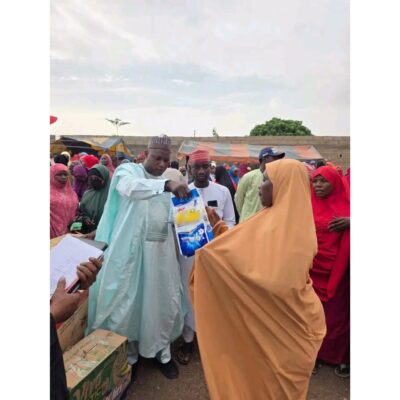
A recent empowerment initiative by a local government chairman in Kano State has sparked widespread reactions, with many Nigerians questioning the intent and impact of the program. The chairman, whose gesture was reportedly aimed at supporting women at the grassroots level, distributed detergents as part of an empowerment scheme—an action that has since ignited debate both online and offline.
The Controversial Initiative
According to reports, the distribution exercise took place during a community outreach event where women were presented with packs of detergents as a form of economic support. While the chairman’s office described the initiative as a way to assist women in small-scale trading and household sustainability, critics have dismissed it as inadequate and out of touch with current economic realities.
For many observers, the idea of “empowerment” has evolved to include access to capital, skills acquisition, and long-term economic opportunities—not consumable items with limited resale or income potential.
Public Reaction
Social media platforms have been flooded with mixed reactions. Some residents defended the gesture, arguing that any form of support, no matter how small, can make a difference at the community level. Others, however, see it as a symbolic move that fails to address the deeper challenges faced by women, such as unemployment, lack of access to credit, and rising cost of living.
Critics also pointed out that such initiatives risk being perceived as performative, especially in an era where citizens are increasingly demanding transparency and meaningful governance.
Broader Questions on Empowerment
This incident has reignited conversations about what genuine empowerment should look like in Nigeria. Development experts emphasize that sustainable empowerment programs typically involve:
Skills training and vocational development
Access to microfinance or startup capital
Support for small and medium enterprises
Education and capacity building
By contrast, one-off distributions of consumables are often seen as short-term relief rather than long-term solutions.
Political Undertones
Some analysts believe the move may also carry political undertones, particularly as local leaders seek to maintain visibility and goodwill among constituents. Grassroots outreach programs are a common feature of Nigerian politics, but their effectiveness often determines how they are received by the public.
The Way Forward
While the intention behind the detergent distribution may have been positive, the backlash highlights a growing awareness among citizens about the need for impactful governance. Moving forward, stakeholders are urging public officials to design empowerment initiatives that deliver measurable and lasting benefits.
Conclusion
The Kano detergent distribution saga serves as a reflection of shifting public expectations. In today’s socio-economic climate, empowerment is no longer about symbolic gestures—it is about creating real opportunities that can transform lives.
As conversations continue, one thing is clear: citizens are paying closer attention, and they are not afraid to demand more from their leaders.