Nigeria’s Endless Road Projects: Highways Under Construction for Decades
Nigeria’s Endless Road Projects: Highways Under Construction for Decades
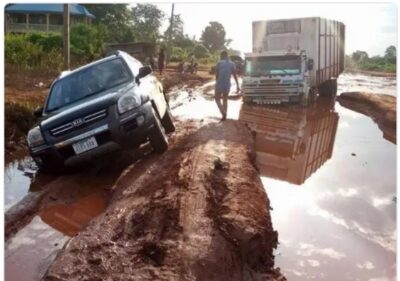
Across Nigeria, road construction projects that should take a few years have stretched into decades, becoming symbols of government inefficiency, corruption, and policy inconsistency. From the North to the South, East to West, motorists continue to suffer on highways that have remained perpetually “under construction.”
These roads are not just paths of movement—they are lifelines for commerce, security, education, and healthcare. Yet many of them have turned into death traps, economic bottlenecks, and monuments of broken promises.
Highways Trapped in Time
Below is a disturbing list of major Nigerian roads and how long they have remained under construction or rehabilitation:
Minna–Suleja Road – 15 years
Abuja–Lokoja Road – 18 years
Kano–Maiduguri Road – 20 years
Abuja–Keffi Road – 12 years
Kaduna–Abuja Road – 9 years
Port Harcourt–Enugu Road – 16 years
East–West Road – 20 years
Lagos–Abeokuta Road – 21 years
Lagos–Ibadan Expressway – 20 years
Oyo–Ogbomosho Road – 15 years
Gombe–Potiskum Road – 15 years
Jalingo–Numan Road – 10 years
Jebba–Mokwa Road – 35 years
Kaduna–Ibadan Road – 35 years
Sarkin Pawa–Kaduna Road – 35 years
Enugu–Onitsha Road – 20 years
Makurdi–Ankpa Road – 25 years
Some of these roads were awarded, abandoned, re-awarded, and “flagged off” multiple times by different administrations—often with fresh budgets and renewed political speeches.
The Human and Economic Cost
The prolonged construction of these roads has come at a heavy price:
Lives lost to road accidents caused by craters, diversions, and poor visibility
Increased transportation costs, driving up food prices and inflation
Insecurity, as bad roads expose travelers to kidnappers and bandits
Vehicle damage, draining the pockets of commercial drivers and private citizens
Stunted regional trade, especially for farmers and small businesses
For many Nigerians, a journey that should take two hours now takes six or more, turning daily travel into a test of endurance.
Why Do These Roads Never End?
Several factors are responsible for the endless nature of Nigeria’s road projects:
Poor project planning and cost estimation
Corruption and diversion of funds
Inconsistent government policies with every new administration
Delayed budget releases and poor contractor supervision
Politicization of infrastructure, where roads are used as campaign tools
Instead of completing existing projects, new ones are often announced, spreading limited resources thin.
A National Embarrassment
It is deeply troubling that roads of such national importance can remain unfinished for 20 to 35 years in a country that claims to be Africa’s largest economy. These highways connect state capitals, commercial hubs, and international borders—yet they are treated with shocking neglect.
The Way Forward
Nigeria does not lack engineers, materials, or funding options. What is missing is political will, accountability, and continuity. There must be:
Transparent project timelines
Publicly accessible progress reports
Sanctions for abandoned projects
Completion of existing roads before awarding new ones
Until then, these roads will remain painful reminders of how governance has failed ordinary Nigerians.
Final Thoughts
A nation cannot develop on broken roads. Every year these highways remain unfinished, Nigeria pays the price in lives, lost opportunities, and diminished trust in leadership. The question Nigerians must keep asking is simple:
How long will “under construction” continue to define our roads—and our future?