Nigeria, others to benefit as nations commit $3.9bn to climate action
Nigeria, others to benefit as nations commit $3.9bn to climate action
Countries have pledged an initial $3.9bn to the Global Environment Facility under its ninth replenishment cycle, in a move aimed at accelerating environmental action and supporting developing nations, including Nigeria, to meet global sustainability targets by 2030.
The funding commitment, announced ahead of the final approval expected in May, is designed to support climate adaptation, biodiversity protection and sustainable development in vulnerable countries grappling with environmental degradation.
The four-year financing cycle, known as GEF-9, will run from July 2026 to June 2030 and is expected to deepen investments in nature-positive development while helping countries integrate environmental priorities into national planning and economic systems.
Speaking on the development on Thursday, the Interim Chief Executive Officer and Chairperson of the GEF, Claude Gascon, described the replenishment as a strong signal of global commitment to environmental protection despite competing economic pressures.
“This replenishment sends a clear message: the world is not giving up on nature even in a time of competing priorities,” he said, adding that the funding would drive “high-ambition” efforts towards achieving the 2030 environmental goals.
The GEF serves as a financial mechanism for several global environmental agreements, including the United Nations Framework Convention on Climate Change and the Convention on Biological Diversity.
Analysts said the latest funding round comes at a critical time as global ecosystems face mounting threats from biodiversity loss, climate change and land degradation, particularly across regions such as Sub-Saharan Africa.
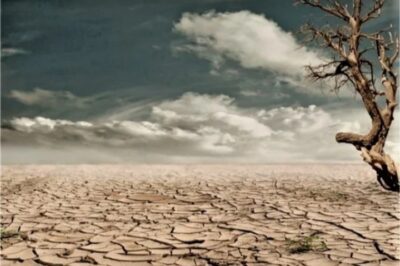
For Nigeria, which is battling desertification in the North, coastal erosion in the Niger Delta and recurring floods in several states, the fresh funding could provide opportunities for climate resilience projects, environmental restoration and sustainable agriculture.
The GEF-9 framework is built around four major priorities, including integrated environmental programmes, blended finance to attract private sector investment, whole-of-government approaches and increased support for vulnerable populations.
Notably, the fund plans to allocate 35 per cent of its resources to Least Developed Countries and Small Island Developing States, while 20 per cent will directly support Indigenous Peoples and local communities.
Germany reaffirmed its commitment to the initiative, with State Secretary Niels Annen stressing the importance of multilateral cooperation in tackling environmental challenges.
“Environmental action and sustainable development have to go hand in hand,” he said, adding that the funding would help ensure stable resources for the most vulnerable countries.
Also, Co-Chair of the GEF Council, Richard Bontjer, described the replenishment as a “vote of confidence” in the institution’s capacity to deliver results at scale.
He noted that the fresh funding would improve efficiency, mobilise private capital and strengthen support for vulnerable nations facing environmental and economic pressures.
Civil society organisations also welcomed the development, highlighting growing recognition for grassroots participation in environmental governance.
Chair of the GEF Civil Society Organisation Network, Faizal Parish, said the commitment to inclusive engagement, particularly for women, youths and Indigenous communities, would improve the impact of funded projects.
Global environmental experts warned that without sustained investment and coordinated action, the world risks crossing critical ecological tipping points, with severe implications for food security, livelihoods and economic stability.
Over the past three decades, the GEF has provided more than $27bn in financing and mobilised an additional $155bn for environmental projects worldwide.
The next phase of funding is expected to be finalised at the GEF Council meeting scheduled for late May, with further pledges anticipated from donor countries.