
Native Doctor Who Promised Mali AFCON Glory After Collecting €33,500 Arrested
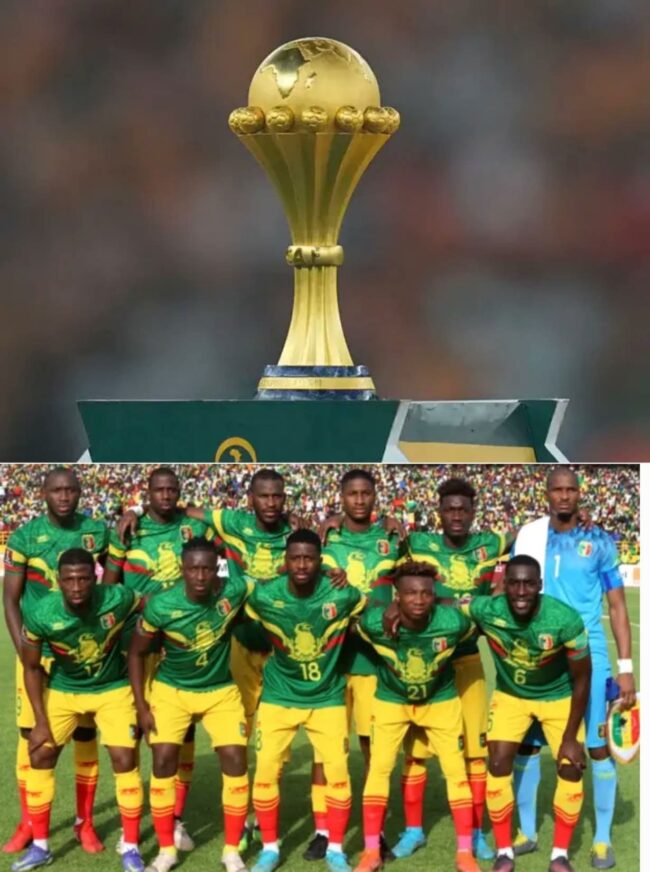
Native Doctor Who Promised Mali AFCON Glory After Collecting €33,500 Arrested
A bizarre and controversial episode has rocked Mali’s football community after a self-styled native doctor who claimed he could spiritually guarantee the country’s victory at the Africa Cup of Nations (AFCON) was arrested for fraud after collecting €33,500 from desperate football backers.
According to reports, the man, whose identity has not yet been officially released, allegedly approached individuals close to Mali’s football setup with claims that he possessed powerful traditional and spiritual abilities capable of ensuring the national team lifted the AFCON trophy. He reportedly convinced his victims that through rituals, sacrifices, and supernatural intervention, Mali would defeat all opponents and emerge champions of Africa.
To carry out the supposed spiritual assignment, the native doctor demanded and received €33,500, which he claimed would be used to procure ritual materials, appease powerful spirits, and perform special ceremonies ahead of Mali’s crucial matches. The money was allegedly paid in installments as the tournament approached.
However, Mali failed to win the tournament, with the national team eventually crashing out of the competition. Following their elimination, those who had paid the money became suspicious and demanded accountability. When the promised outcome failed to materialize, complaints were filed with the authorities, leading to the arrest of the alleged spiritualist.
Police sources confirmed that the man is now under investigation for fraud, obtaining money by false pretenses, and deception. Investigators are reportedly working to establish whether he has a history of carrying out similar scams and whether he has other victims across the region.
The case has sparked widespread reactions on social media, with many Malians and football fans across Africa expressing disbelief that such a large sum could be paid for a promise based on spiritual manipulation rather than sporting preparation. Critics argue that the incident highlights the extent to which superstition still influences football in parts of Africa, where some teams and officials secretly rely on spiritualists instead of investing fully in training, tactics, and player development.
Others, however, believe the case is a lesson in accountability, noting that football results are determined by preparation, teamwork, and skill, not mystical rituals. They also called on football administrators to focus more on professionalism and less on superstition if African teams are to compete successfully on the global stage.
As investigations continue, authorities are expected to decide whether formal charges will be filed and whether the money can be recovered. For now, the scandal remains an embarrassing reminder that in modern football, belief in miracles can still be exploited for personal gain.