Governor Empowers Women With P∆nts Ahead of 2027 in a Major Move
Governor Empowers Women With Pants Ahead of 2027 in a Major Move
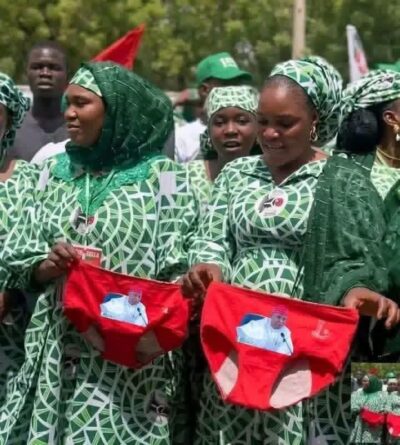
In a bold and symbolic initiative, the Government has launched a women-focused empowerment program that is already generating widespread conversation across the country. As preparations quietly begin ahead of the 2027 political season, this initiative—centered around the distribution of pants to women—signals a blend of social intervention, economic support, and strategic grassroots engagement.
A Grassroots Approach to Empowerment
At its core, the program is designed to support women, particularly those in low-income and vulnerable communities. By providing essential clothing items such as pants, the government is addressing a basic yet often overlooked need. For many beneficiaries, this is more than just material support—it represents dignity, inclusion, and recognition.
Officials in have emphasized that the initiative is part of a broader framework aimed at improving the welfare of women through practical interventions. In regions where economic challenges persist, even seemingly small gestures can have meaningful impact.
Economic and Social Implications
Beyond immediate relief, the initiative also carries economic undertones. Local production and sourcing of these items could stimulate small-scale businesses, particularly women-led tailoring and textile ventures. If structured effectively, the program could create a ripple effect—boosting local industries while empowering recipients.
Socially, the move is being interpreted in multiple ways. Some see it as a progressive step toward prioritizing women’s needs in governance. Others view it through a political lens, suggesting it may be part of early mobilization efforts as 2027 approaches.
Political Undertones Ahead of 2027
With the 2027 elections on the horizon, initiatives like this rarely exist in a vacuum. Empowerment programs have historically played dual roles in Nigeria—serving both as welfare mechanisms and as tools for building political goodwill.
Observers note that engaging women, who represent a significant voting demographic, could prove strategically important. By positioning itself as responsive to women’s needs, the Kano State Government may be laying the groundwork for stronger public support in the coming years.
Public Reactions and Debate
As expected, public reaction has been mixed. Supporters praise the initiative for its direct impact and inclusivity, arguing that governance should prioritize tangible benefits for citizens. Critics, however, question whether such programs address deeper structural issues affecting women, such as access to education, healthcare, and sustainable employment.
This debate underscores a broader conversation about what meaningful empowerment should look like in today’s Nigeria.
Looking Ahead
Whether viewed as a genuine welfare effort or a politically strategic move, the initiative highlights an important shift toward targeted social programs. The real test will lie in its sustainability, transparency, and ability to evolve into more comprehensive empowerment strategies.
As 2027 draws closer, all eyes will remain on to see how this and similar initiatives shape both public perception and political momentum.
Conclusion
The Kano State Government’s decision to empower women through this initiative is both symbolic and practical. It reflects the growing recognition of women’s roles in society and politics, while also sparking necessary conversations about the depth and direction of empowerment efforts in Nigeria.
Only time will tell whether this move becomes a model for impactful governance or remains a headline moment in the buildup to 2027.