
Fubara Shocks Supporters, Dumps Loyalists and Wike Camp, Nominates ‘Neutral’ Commissioners with Zero Political Baggage
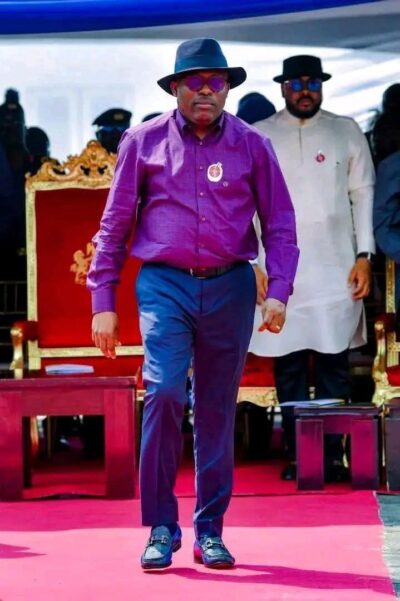
Fubara Shocks Supporters, Dumps Loyalists and Wike Camp, Nominates ‘Neutral’ Commissioners with Zero Political Baggage
Governor Siminalayi Fubara of Rivers State has made a surprising move in reshaping his cabinet by forwarding a list of nine commissioner nominees to the Rivers State House of Assembly for screening and confirmation. The development, announced on March 3, 2026, comes amid ongoing political reconciliation efforts following the prolonged crisis between the governor and his predecessor, Nyesom Wike.
In a significant departure from expectations, the nominees appear to be largely professionals, technocrats, and individuals without prominent political affiliations or strong ties to either Fubara’s core loyalist base or the influential Wike camp. This has sparked widespread reactions, with many describing it as a bold step toward neutral, merit-based governance rather than rewarding political patronage.
The list of nominees includes:
– Prof. Datonye Alasia (a professor, likely in academia or a related field)
– Mr. Tonye Bellgam
– Prof. Temple Nwofor (another academic figure)
– Dr. Peters Nwagor
– Mrs. Charity Deemua
– Tamuno Williams, Esq.(a lawyer)
– Mr. Lekue Kenneth
– Otonye TKD Amachree, Esq. (a lawyer)
– Sir Amairigha Edward Hart
The Rivers State House of Assembly, through a notice signed by Clerk Emeka Amadi, has directed the nominees to submit 40 copies of their curriculum vitae, photocopies of credentials, and evidence of tax compliance to the Clerk’s office at the Assembly Quarters in Port Harcourt. This paves the way for their screening exercise, after which the House will deliberate on their confirmation as members of the State Executive Council.
This first batch of nominees follows reports of a recent cabinet dissolution and the retention of a limited number of serving commissioners in the interim. Sources indicate that more names may follow in subsequent lists as the administration works to fully reconstitute its executive team.
The choice of candidates—predominantly drawn from academic, legal, and professional backgrounds rather than established political figures—has fueled speculation and debate. Supporters of the governor see it as a refreshing break from godfatherism and a commitment to competence over loyalty. Critics, however, view it as a potential sidelining of those who stood by Fubara during the height of the political turbulence, including key loyalists who mobilized support amid the crisis.
The move aligns with recent peace efforts, including interventions that have eased tensions in the state. It signals Fubara’s intent to prioritize technocratic input in governance as Rivers navigates post-crisis recovery and development priorities.
As the screening process unfolds, all eyes remain on Port Harcourt to see how these “neutral” picks will fare and what additional appointments might reveal about the governor’s long-term strategy.