

Nigeria’s Major Cocoa-Producing States: Powering the Nation’s Agricultural Exports
Nigeria’s Major Cocoa-Producing States: Powering the Nation’s Agricultural Exports
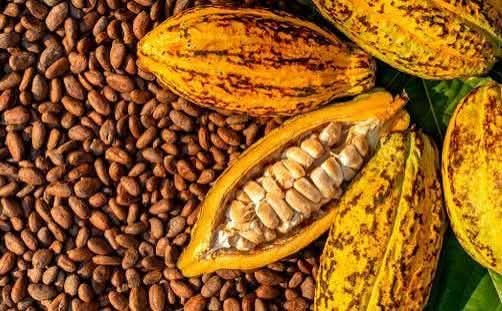
Nigeria remains one of Africa’s leading cocoa producers, with the crop playing a vital role in foreign exchange earnings, rural employment, and agro-industrial development. Cocoa cultivation thrives mainly in the southern rainforest and parts of the Middle Belt, where climate and soil conditions support high yields.
According to data associated with the Nigerian Export Promotion Council (NEPC) and tracked by TheCable Index, the following states stand out as Nigeria’s major cocoa-producing hubs:
1. Ondo State
Ondo State is widely regarded as Nigeria’s cocoa capital, consistently leading national production. Cocoa farming forms the backbone of the state’s agrarian economy, supporting thousands of farmers and contributing significantly to export revenues. Government-backed interventions, seedlings distribution, and farmer support programs have further strengthened the sector.
2. Osun State
Osun is another cocoa heavyweight in the Southwest. With a long history of cocoa cultivation dating back to the pre-independence era, the crop remains a major source of income for rural communities across the state.
3. Ekiti State
Ekiti’s fertile soil and favorable climate make it ideal for cocoa farming. The state continues to invest in revitalizing old cocoa plantations while encouraging youth participation in agriculture.
4. Akwa Ibom State
Cocoa production in Akwa Ibom has expanded steadily over the years. The state government has shown growing interest in leveraging cocoa as a non-oil revenue source, especially through value-chain development.
5. Cross River State
Cross River is one of Nigeria’s strongest cocoa producers outside the Southwest. Large-scale plantations and export-oriented farming have positioned the state as a key player in Nigeria’s cocoa supply chain.
6. Kogi State
Located in the Middle Belt, Kogi benefits from a mix of rainforest and savannah vegetation suitable for cocoa cultivation. Cocoa farming provides an important livelihood for many communities in the state.
7. Ogun State
Ogun’s proximity to major commercial centers and ports gives its cocoa farmers strategic advantages in trade and export. The state continues to expand its cocoa output through improved farming practices.
8. Edo State
Edo has a strong cocoa heritage, with farming communities deeply rooted in cocoa production. Recent agricultural reforms aim to boost yields and attract private investment into cocoa processing.
9. Kwara State
Kwara represents the northern edge of cocoa production in Nigeria. Though output is relatively smaller, cocoa farming remains economically significant in parts of the state.
Why Cocoa Matters to Nigeria
Cocoa is Nigeria’s largest non-oil agricultural export, contributing billions of naira annually to the economy. Beyond exports, the sector provides employment for farmers, traders, processors, and transporters across producing states.
As global demand for cocoa products continues to rise, experts believe that strategic investments in processing, farmer education, and infrastructure could help Nigeria reclaim a stronger position in the global cocoa market.
Source: NEPC
Data Insight: TheCable Index