
2027 Elections: INEC Fixes November 28 For Nationwide Mock Accreditation, Voting
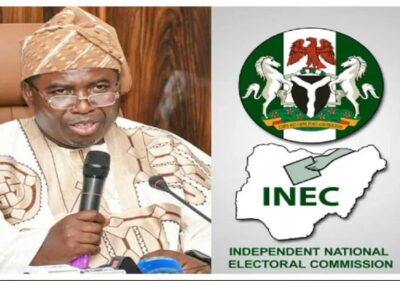
2027 Elections: INEC Fixes November 28 For Nationwide Mock Accreditation, Voting
The exercise is aimed at testing upgrades to the commission’s Bimodal Voter Accreditation System (BVAS) and electronic results transmission ahead of the polls.

The Independent National Electoral Commission (INEC) has fixed November 28, 2026, for a nationwide mock accreditation and voting exercise ahead of the 2027 general elections.
The exercise is aimed at testing upgrades to the commission’s Bimodal Voter Accreditation System (BVAS) and electronic results transmission ahead of the polls.
The INEC Chairman, Prof. Joash Amupitan, disclosed this on Thursday during a dialogue at Chatham House in London, organised in partnership with the Kimpact Development Initiative.
The dialogue was themed, “Nigeria’s 2027 Elections: Democratic Trajectory and Regional Stability Beyond the Ballot.”
According to a press statement issued in Abuja and signed by Adedayo Oketola, the Chief Press Secretary and Media Adviser to the INEC chairman, Amupitan said the exercise would simulate the accreditation and voting processes to assess the performance of the upgraded electoral technology.
“On the 28th of this month, we will conduct a mock accreditation and voting exercise across all states of the Federation to simulate the presidential election and verify that we have gotten both accreditation and electronic result transmission right,” the chairman said.
The November 28 exercise will provide an opportunity for the commission to identify possible technical and operational challenges and address them before the general elections.
The development comes as INEC intensifies preparations for the 2027 elections amid growing attention on the credibility of Nigeria’s electoral technology, particularly the transmission of results from polling units.
The BVAS, introduced ahead of the 2023 general elections, is designed to verify voters’ identities through fingerprint and facial recognition before accreditation.
The device also supports the upload of polling unit results to the INEC Result Viewing (IReV) portal, which allows members of the public to view images of results uploaded from polling units.
However, the deployment of electoral technology during the 2023 general elections generated controversy, particularly over the failure to upload presidential election results to the IReV portal in real time, despite earlier assurances by the commission.
The controversy triggered legal challenges and renewed demands by opposition parties and civil society organisations for greater transparency in the electoral process.
In response to concerns over the performance of its technology, INEC has continued to outline measures aimed at strengthening its systems ahead of the 2027 elections.
In October, Amupitan disclosed that the commission had procured an additional 57,000 BVAS machines to strengthen its technological capacity for the forthcoming polls.
He also announced a six-day technology stress test scheduled for October 23 to 28, ahead of the nationwide mock accreditation exercise.
The commission is expected to deploy personnel and logistics across more than 176,000 polling units nationwide, with approximately 1.4 million ad-hoc personnel required for the exercise.
The 2027 presidential and National Assembly elections are scheduled for January 16, while governorship and State House of Assembly elections will hold on February 6.
INEC has repeatedly maintained that strengthening electoral technology, improving voter participation, promoting inclusivity and tackling misinformation are among its major priorities ahead of the elections.
