

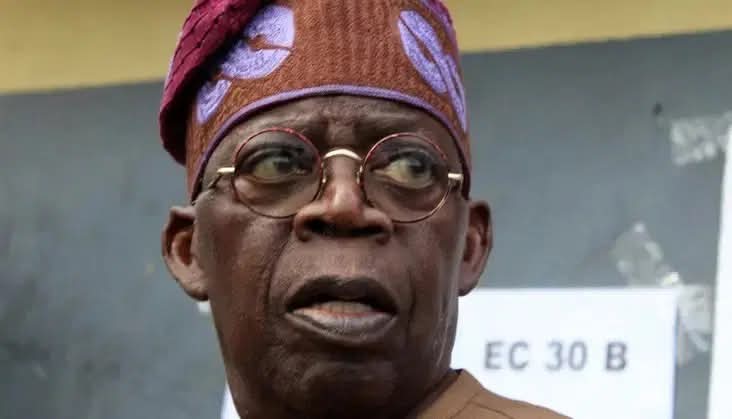
Tinubu Must Go: El-Rufai Hints at ‘Plan B’ as Opposition Strategizes for 2027
Tinubu Must Go: El-Rufai Hints at ‘Plan B’ as Opposition Strategizes for 2027
Former Kaduna State governor, Nasir El-Rufai, has stirred fresh political debate ahead of the 2027 general elections with a bold declaration suggesting that President Bola Ahmed Tinubu could face a formidable challenge from a determined opposition.
In a statement that is already generating widespread reactions across Nigeria’s political space, El-Rufai asserted that the opposition, particularly leaders within the African Democratic Congress (ADC), are not only prepared for potential political suppression but have also developed alternative strategies to counter it.
According to him, there are growing concerns within the opposition that the federal government may attempt to use its influence to weaken or destabilize the ADC as the 2027 elections approach. However, El-Rufai maintained that such moves would ultimately prove futile, revealing that a “Plan B” is already in place.
“We are already aware that there may be attempts to suppress the ADC, but what they don’t know is that we have another party prepared on the side which they cannot do anything about,” he said.
The former governor’s remarks suggest a deeper level of coordination among opposition figures, pointing to a possible realignment or coalition-building effort aimed at unseating the ruling establishment.
While he did not disclose details of the alleged alternative platform, the statement hints at a broader political strategy designed to outmaneuver any institutional challenges.
El-Rufai further emphasized the opposition’s confidence in defeating the current administration, declaring that the political momentum heading into 2027 favors those seeking change. His comments have since sparked conversations about the resilience of Nigeria’s democratic institutions and the potential for intensified political rivalry in the coming years.
Political analysts say the development could signal the beginning of a new phase in Nigeria’s opposition politics, where alliances, contingency planning, and strategic positioning may play a decisive role in shaping the electoral outcome.
As the countdown to 2027 continues, Nigerians are expected to witness increased political maneuvering, with both the ruling party and opposition groups working to consolidate their bases and expand their influence nationwide.
The coming months may reveal whether the opposition’s “Plan B” is a credible alternative or simply a tactical statement aimed at energizing supporters and applying pressure on the current administration.