
Six ways to protect your cervix from cancer, infections

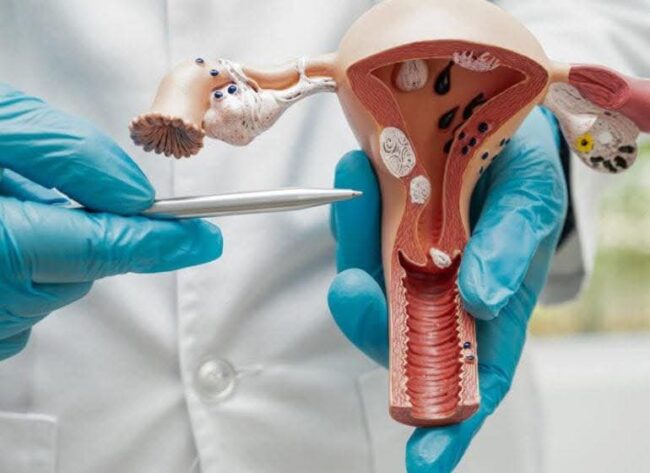
Six ways to protect your cervix from cancer, infections
Six ways to care for your cervix against cancer and infections
January is Cervical Health Awareness Month, making it an important time to learn more about the cervix, a vital part of the female reproductive system that often receives little attention.
Understanding how the cervix functions and how to care for it is essential to protecting overall reproductive health.
The cervix is a small but powerful structure, measuring about an inch in length and located several inches from the vaginal opening, depending on hormonal changes and the menstrual cycle.
It plays a key role in reproduction by allowing sperm to enter the uterus while acting as a barrier against harmful bacteria and foreign substances. During childbirth, the cervix also softens and opens to support labour.
Made up of glandular cells that produce protective mucus and squamous cells that shield against friction and infection, the cervix performs several protective functions.
Despite this, it remains vulnerable to infections and diseases, including cervical cancer. Cervical cancer is the fourth most common cancer among women worldwide and is largely linked to the human papillomavirus, a sexually transmitted infection.
Since prevention is often more effective than treatment, paying attention to cervical health is crucial.
Here are practical ways women can care for their cervix and reduce the risk of infection.
Go for regular cervical screening
As a woman, certain tests should be part of your routine health checks. These include Pap smears and HPV tests.
Routine Pap smears or HPV tests help detect abnormal cells in the cervix early, often before they become serious. Early detection is one of the most effective ways to prevent cervical cancer.
Even if you feel fine, screening is still important because cervical issues often show no symptoms in the early stages.
According to the American College of Obstetricians and Gynecologists, a woman should start taking a Pap smear from age 21, with a basic screen every three years until age 65. Women between the ages of 25 and 65 should have a human papillomavirus (HPV) test every five years.
Get vaccinated
The Centres for Disease Control and Prevention recommends that all women receive the HPV vaccine, as the virus is the leading cause of cervical cancer.
The HPV vaccine protects against the most dangerous strains of the virus. It is most effective when taken before sexual activity begins, but it can still offer protection later in life.
The vaccine targets the types of HPV most commonly linked to cervical cancer and, in some cases, cancers of the vulva, vagina, and anus.
Studies suggest the HPV vaccine can reduce the risk of genital warts and HPV-related cancers by up to 99%.
To protect cervical health, it is recommended that people between the ages of 9 and 45 receive the HPV vaccine.
Maintain good vaginal hygiene
Beyond medical care, maintaining good vaginal health is a personal step toward preventing cervical infections and cancer.
Good vaginal hygiene involves being gentle and focusing on daily external care, as the vagina is naturally self-cleaning.
Use warm water or mild, unscented soap on the outer genital area (vulva) only, and avoid douching, scented sprays, harsh products, or inserting herbal mixtures and chemicals into the vagina.
These practices can disrupt the natural balance of healthy bacteria, cause irritation, and increase the risk of infections that may affect the cervix.
Additionally, wear cotton underwear, practise safe sex, and always wipe from front to back.
Practice safe sex
Practising safe sex is another important way to care for your cervix.
Use condoms, avoid sharing sex toys, and ensure hands are washed before and after touching a partner’s genitals.
Condom use helps reduce the risk of HPV and other sexually transmitted infections that can affect cervical health.
Limiting the number of sexual partners also reduces exposure to infections linked to changes in cervical cells.
Opt for healthy lifestyle choices
Your overall lifestyle plays a role in your cervical health. What you eat and how you care for your body can influence how well it fights infections.
Eating a balanced diet rich in fruits, vegetables and whole foods supports the immune system and helps the body fight infections.
Regular exercise, adequate sleep and proper stress management also contribute to a strong immune system, which is important for maintaining cervical health.
Most importantly, avoid or quit smoking. Smoking weakens the immune system and makes it harder for the body to clear HPV infections.
Studies have also linked chemicals from cigarettes to cervical cell damage, increasing the risk of cervical cancer.
Pay attention to unusual symptoms
Being observant and intentional about your vaginal health can help you detect warning signs early.
Unusual bleeding, persistent pelvic pain, foul-smelling discharge or pain during sex should never be ignored.
While these symptoms may not always indicate a serious condition, they are important signals to seek medical attention promptly.
Remember, taking these proactive steps today can help protect your cervix from infections and cancer in the long run.