One Man, One Vote Is Meaningless Where Votes Are Purchased by Money Bags,’ Falana Fires At Nigeria’s Democracy
‘One Man, One Vote Is Meaningless Where Votes Are Purchased by Money Bags,’ Falana Fires At Nigeria’s Democracy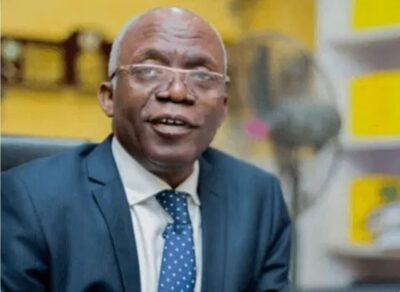
The senior advocate argued that while Nigeria had conducted elections regularly since the return to civilian rule, the credibility of those elections remained deeply in question.
Senior Advocate of Nigeria and human rights lawyer Femi Falana has declared that Nigeria’s democracy remains hollow as long as elections are determined by money rather than the will of the people, warning that the country faces a defining moment ahead of the 2027 general elections.
Falana made the remarks on Saturday while delivering a paper titled 2027: Building A Nation Where No Man Is Oppressed at an event held in honour of the late Chief Alao Aka-Bashorun, one of Nigeria’s foremost defenders of constitutionalism and civil liberties.
“A democracy in which citizens doubt the effectiveness of their votes cannot fully achieve democratic legitimacy. Having conceded that members of the ruling class have exclusive right to govern the society, we talk of ‘one man, one vote,’” Falana said.
“The slogan is completely meaningless in a country where the votes are purchased by money bags.”
“The struggle against military rule was not merely about political freedom. It was also about creating conditions under which citizens could enjoy economic dignity. Political liberty without economic justice is incomplete,” he said.
The senior advocate argued that while Nigeria had conducted elections regularly since the return to civilian rule, the credibility of those elections remained deeply in question.
“Although elections are regularly conducted, concerns about electoral credibility persist,” he said. “Allegations of vote-buying, manipulation of electoral processes, abuse of incumbency and post-election controversies continue to undermine public confidence.”
Falana contended that the struggle against military rule was never solely about political freedom but about securing conditions under which citizens could live with economic dignity, a promise he said Nigeria had yet to fulfil.
“Political liberty without economic justice is incomplete,” he said. “According to the senior lawyer, “For millions of Nigerians, democracy has not yet translated into improved living standards. The persistence of poverty amidst enormous national wealth raises fundamental questions about governance and distributive justice. Economic growth that benefits only a small segment of society cannot sustain democratic stability.”
He was equally blunt about the accountability deficit he said had come to define public office in Nigeria, arguing that governance had been reduced to an avenue for personal enrichment.
“Unfortunately, many Nigerians increasingly perceive political power as an avenue for personal enrichment rather than public service,” he said, adding that regulatory agencies, security institutions and democratic structures were routinely deployed in ways that undermined public confidence.
Falana called on citizens to take advantage of the Freedom of Information Act to demand accountability, and urged that 2027 represent not merely another election cycle but the beginning of a renewed commitment to constitutional governance.
“The greatest mistake we can make is to assume that the objectives of the June 12 struggle have been fully achieved,” he warned. “The reality is that many of the aspirations that inspired the struggle remain unrealised or unfulfilled.”