
INSIDE WIKE’S ALLEGED POLITICAL MASTERPLAN IN RIVERS AS SPECULATIONS GROW OVER KINGSLEY CHINDA, JORDAN WIKE AND THE BATTLE FOR OBIO/AKPOR
INSIDE WIKE’S ALLEGED POLITICAL MASTERPLAN IN RIVERS AS SPECULATIONS GROW OVER KINGSLEY CHINDA, JORDAN WIKE AND THE BATTLE FOR OBIO/AKPOR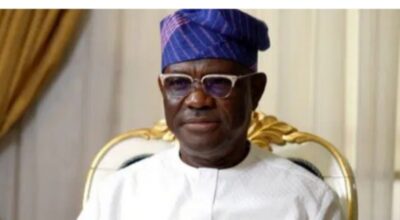
Fresh political speculations are gaining momentum in Rivers State over what some observers describe as the deeper strategic calculations behind the prolonged political crisis involving the Minister of the Federal Capital Territory, Chief Nyesom Wike, and Governor Siminalayi Fubara.
While many believe the primary objective of the ongoing political battle is to weaken or possibly unseat Governor Fubara ahead of 2027, emerging political arguments within Rivers political circles suggest there may be broader underground interests shaping the unfolding power struggle.
One growing narrative now circulating among political observers is the claim that the real political target may not necessarily be Governor Fubara alone, but the current member representing Obio/Akpor Federal Constituency in the House of Representatives, Hon. Kingsley Chinda.
According to the speculation, there are fears within sections of Rivers politics that strategic moves may be underway to eventually replace Chinda in the National Assembly with Jordan Wike, son of former Governor Nyesom Wike.
Though no official confirmation exists to support the claim, the speculation has already triggered intense political debate across Rivers State.
Supporters of the theory argue that Rivers politics has historically witnessed aggressive power restructuring and strategic political displacement among influential figures.
Some political commentators have pointed to previous political battles involving former Senator Magnus Abe as an example of how internal political power struggles have shaped careers and alliances within the state.
Analysts say the current atmosphere reflects deepening concerns about political succession, loyalty, influence, and control of grassroots structures ahead of future elections.
The discussion has also revived wider conversations around political dynasties and concentration of power within Rivers State politics.
Critics argue that democratic representation should remain open and competitive, insisting that no single political family or structure should dominate every layer of political leadership within the state.
Others, however, maintain that every qualified Nigerian, including relatives of political leaders, retains the constitutional right to contest elections if they choose to do so.
Political observers say the controversy highlights growing tension within Obio/Akpor politics, one of the most politically strategic local government areas in Rivers State and a long-standing political stronghold of Chief Nyesom Wike.
Meanwhile, supporters of Hon. Kingsley Chinda continue to insist that the federal lawmaker remains politically relevant and should not underestimate evolving political calculations ahead of the next election cycle.
As conversations intensify across social and political platforms, many Rivers residents are closely watching how the complex relationship between Wike’s political structure, Governor Fubara’s loyalists, and emerging political actors will shape the future political direction of the state.
As of the time of filing this report, neither Chief Nyesom Wike, Hon. Kingsley Chinda, nor Jordan Wike had officially reacted to the growing political speculations.