
St. Kitts and Nevis to wind down citizenship-by-investment scheme to protect EU visa-free access
St. Kitts and Nevis to wind down citizenship-by-investment scheme to protect EU visa-free access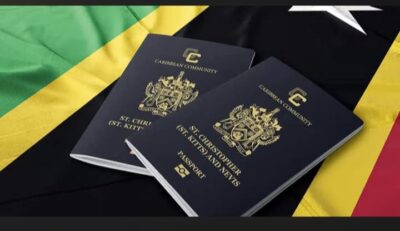
St. Kitts and Nevis is ending its citizenship by investment (CBI) programme, a scheme that allows foreigners to acquire passports in exchange for financial contributions.
Prime Minister Terrance Drew announced on Friday that the country had officially confirmed its position to the European Union (EU) following discussions with the bloc and other international partners.
Drew said the decision was intended to protect the federation’s international reputation, visa-free travel arrangements and access to the global financial system.
He said the final timeline for winding down the programme is still being negotiated with the EU.
“Nothing changes tonight for any person who lawfully holds our citizenship,” Drew said, adding that citizens would continue to enjoy their existing travel arrangements.
The prime minister said the government would not permit discounts or a rush to process applications before the programme closes.
“There will be no rush, no discounts, and no fire sale. Our citizenship will never again be sold cheaply on the basis of buyer meets seller,” Drew said.
ST.KITTS CBI PROGRAMME
St. Kitts CBI programme was established in 1984 and requires applicants to make an economic contribution to the country. In exchange, they and their families are granted full citizenship.
The minimum investment starts at $250,000 with an average processing time of approximately three and a half months, according to Henley and Partners, a residence and citizenship planning firm.
The scheme has become an important source of revenue for the Caribbean island nation.
According to the prime minister, the programme has generated approximately $6.5 billion between 2008 and 2025, accounting for about 50 percent of government revenue.
He said the revenue helped finance government operations, support the country’s recovery from the COVID-19 pandemic, construct roads, schools and affordable housing, and facilitate major developments.
A St. Kitts passport grants citizens visa-free travel to over 150 countries, including the Schengen zone.
Last December, the EU approved changes in its policy allowing the bloc to consider the operation of citizenship by investment programmes as grounds for withdrawing visa-free access.
Drew said the European Commission wrote to St. Kitts in June, inviting the country to wind down its programme over a transitional period to preserve visa-free travel to the Schengen area.
The prime minister added that continued concerns about CBI programmes could expose St. Kitts to increased scrutiny from international financial institutions and potentially affect banking relationships.
“No responsible leader would gamble with that. I will not gamble with that. You are too important,” he said.
In 2023, the United Kingdom announced a suspension of the visa-waiver agreement for all Dominican nationals, including to visit, citing an abuse of the passport acquisition process.
Later that year, the EU said it would review its visa mechanism in countries that offered CIB schemes to nations with a high corruption perception and poor human rights records.
The EU raised concerns about the nationalities of the highest applicants, saying they came from China, Russia, Syria, Iran, Iraq, Yemen, Nigeria, and Libya.
