
40% of premium bread bakers shut down in 2yrs
40% of premium bread bakers shut down in 2yrs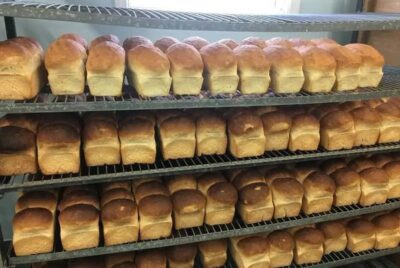
At the backdrop of difficulties in the economic environment, about 40 percent of bread-makers operating in the premium category, have shut their factories in the past three years.

This was revealed by the Premium Breadmakers Association of Nigeria (PBAN) attributing the situation to rising energy costs, poor access to affordable financing and inadequate government support.Nigerian sports news
They warned that the challenges were threatening the survival of businesses and jobs in the sector.
PBAN President, Engr. Emmanuel Onuorah, speaking on the sidelines of PBAN’s 2026 Day-Out event in Lagos yesterday, said the association’s theme, “Baking Through the Economic Storm: Innovation, Efficiency and Growth for a Sustainable Industry”, reflected the difficult operating environment and the need for innovation, creativity and efficiency to sustain the industry.
He said: “The past years have been very tough. Words cannot even express how we feel. Our businesses are struggling, businesses are going down, and members are closing. In the last two years, we have lost close to 40 per cent of our membership to economic pressures.
“Energy is killing businesses. We are trying to innovate, be creative and improve efficiency because, without efficiency, there is no way we can remain in business.”
Onuorah, a petroleum engineer with 25 years’ experience in the oil and gas industry, said the association was exploring alternative energy sources, including a hybrid system that would allow bakeries to switch between diesel and Compressed Natural Gas (CNG).
However, he put the cost of transitioning a small bakery to the hybrid system at between N40 million and N50 million, describing the huge capital requirement and inadequate CNG supply as major obstacles.
He also disclosed that PBAN had explored solar energy solutions but abandoned the initiative after discovering that the proposed financing arrangements would cost more than what members currently paid for electricity.
The PBAN president faulted the financial system for failing to provide affordable credit to businesses in the real sector, alleging that government-backed intervention loans were largely inaccessible to genuine operators. According to him, even when sought for a loan of N12 million to convert lighting and air-conditioning systems at his facility to solar-powered alternatives, the bank was asking for a 34 per cent interest rate and a 20 per cent counterpart funding requirement.
“How do you expect small businesses to survive with interest rates of 34 per cent? We are not asking for free money. We are asking for single-digit interest rates that businesses can realistically repay,” he said.
He also questioned the effectiveness of government intervention programmes for small businesses, arguing that politically connected individuals benefited more than genuine entrepreneurs.
Onuorah called on the Federal Government to provide grants and affordable financing to support energy transition in the bakery industry, stressing that sustainable energy remained critical to business survival, employment generation and economic growth.
