
Nigeria’s Trajectory Since 2007: A No-Nonsense Analysis and the Test Before President Tinubu
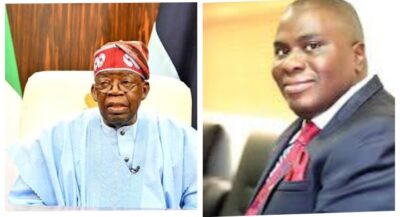
FOR IMMEDIATE RELEASE
Nigeria’s Trajectory Since 2007: A No-Nonsense Analysis and the Test Before President Tinubu
Lagos , Nigeria – May 26, 2026
Issued by: Banji Alabi Esq – Alternate Chairman- Human Rights Committee NBA -Eti- OSa Branch and Chairman Law Week Committee
The Obasanjo Benchmark: Governance With Bite
Between 1999 and 2007, Nigeria experienced a period of decisive, often unpopular, executive action that delivered measurable results. The Obasanjo administration secured $18B in external debt relief, consolidated the banking sector, drove GSM liberalization, and maintained single-digit inflation for much of its tenure.
What defined that era was not just policy direction, but enforcement. Public officials were sacked, contracts revoked, and entrenched interests challenged directly when they undermined national interest. The message was clear: the state would assert itself over private networks that profited from dysfunction.
The Steady Decline Since 2007
Since the end of the Obasanjo administration, Nigeria’s trajectory has been one of regression across core indicators:
Voter turnout fell from 53.7% in 2011 to 26.72% in 2023, reflecting eroding public trust.
Insecurity expanded from the Northeast to the Northwest, North Central, and parts of the South, with banditry, kidnapping, and oil theft operating as parallel economies.
Infrastructure and power stagnated despite repeated reform promises, leaving households and businesses to self-provide.
Public confidence in elections, institutions, and the capacity of the state to protect citizens has weakened cycle after cycle.
The pattern is consistent: each administration inherits problems, announces reforms, but fails to break the hold of networks that benefit from a weak, ungovernable state.
The Tinubu Administration: Enablement Without Bite
President Bola Tinubu’s first 3 years show clear intent to break deadlocks that previous governments avoided. The removal of fuel subsidy and unification of the foreign exchange market ended two of the largest rent-seeking systems in the economy. These are structural steps that previous administrations discussed but did not execute.
However, policy enablement alone is insufficient. The persistent challenge remains the inability or unwillingness to confront the organized criminal and political networks sponsoring killings, kidnapping, and attacks that make large parts of the country ungovernable.
Tinubu’s administration, for all its economic reform momentum, has not demonstrated the same capacity for ruthless disruption of these interests that characterized the Obasanjo years. Without that biting power, reforms risk being absorbed and neutralized by the same systems they are meant to dismantle.
The Path Forward
Nigeria does not lack policy papers or reform plans. What it lacks is the political will to apply consequences to actors who profit from insecurity and sabotage governance.
If President Tinubu intends to be remembered as more than a reformer on paper, he must:
Match economic reforms with security enforcement targeting financiers and sponsors of violent crime, not just foot soldiers.
Assert federal authority over subnational actors and private networks that obstruct policing and justice.
Make visible examples of accountability to restore public belief that the state is stronger than the gangs and cartels operating within it.
A Direct Charge to the President
Mr. President, the Nigerian people are tired of explanations without enforcement. If domestic capacity is insufficient, the duty of the state is to secure its citizens by any legitimate means available:
> “The first duty of government is to protect the people, not to run them.” – Thomas Jefferson
> “A nation can survive its fools, and even the ambitious. But it cannot survive treason from within.” – Marcus Tullius Cicero
> “When a country is at war, the duty of its leaders is to win that war by whatever lawful means necessary.” – Margaret Thatcher
If special interest groups sponsoring killings, kidnapping, and sabotage cannot be dismantled by current structures, then seeking foreign military and intelligence support is not weakness—it is responsibility. A sovereign state that cannot protect its territory and citizens ceases to be sovereign.
MOMENT OF TRUTH
It would be dishonest to ignore what President Tinubu has done right. For decades, Nigerian leaders spoke about subsidy removal and FX reform but backed down when the political cost became visible. In 3 years, this administration took both steps, stopped the bleeding of public funds, and created fiscal space that did not exist before. That takes political courage, and it is the first time in a generation that Nigeria has faced its structural distortions head-on. The foundation for a different economy has been laid. The test now is to ensure that foundation is not undermined by the same criminal networks that have captured the state’s security space.
Banji Alabi Esq
Chairman: Law Week Committee : Alternate Chairman Human Rights Committee
NBA ETI-OSA law week ( 5th to 11th June,2026: Plan To Attend )