New Ebola Outbreak in DR Congo Sparks Regional Emergency Response
New Ebola Outbreak in DR Congo Sparks Regional Emergency Response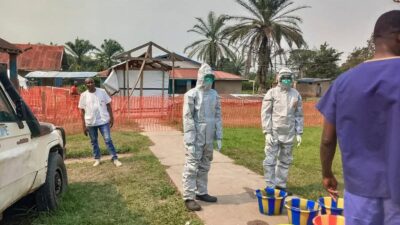
In eastern Democratic Republic of Congo, the numbers arrive the way bad news often does in global health updates, quietly at first, then all at once, as the Africa Centres for Disease Control and Prevention confirms a renewed Ebola outbreak in Ituri Province, and the figures begin to stack up in a way that feels less like statistics and more like a reminder of how fragile public health still is in parts of the world where every outbreak competes with distance, infrastructure gaps, and exhausted systems already stretched beyond comfort.
So far, hundreds of suspected cases have been recorded alongside dozens of confirmed deaths, and while institutions move quickly into coordination mode, convening emergency meetings across borders and agencies, the reality on the ground remains stubbornly simple and painfully repetitive, because by the time response frameworks activate, the virus has already done what it does best, which is move faster than preparation.
And in the middle of all this, the sad familiarity of Ebola returns again, a disease first identified decades ago, still resurfacing in cycles that feel like unfinished sentences in global memory, reminding everyone that scientific knowledge does not always translate into equal protection, especially where geography, resources, and timing refuse to cooperate.
There is a quiet sadness in how outbreaks like this are now narrated, because the language has become almost procedural, cases reported, deaths confirmed, meetings convened, borders monitored, as though structure alone can soften the reality that families are still dealing with sudden loss in places where healthcare access is already uneven before any epidemic arrives.
Ebola, despite being known for nearly half a century, still behaves like an uninvited reminder that global health victories are never permanent, and even with decades of research and response experience, communities in affected regions continue to face the same cycle of fear, containment efforts, and recovery attempts that rarely feel like full closure.
So while coordination efforts stretch across multiple countries and agencies in an attempt to contain the spread, what remains underneath the official updates is a more uncomfortable truth, that outbreaks do not just test medical systems, they expose the gaps between scientific advancement and lived reality, where survival often depends not only on knowledge, but on how quickly help can actually arrive.