
Sh0ck As Sharks In Bahamas Test Positive For Cocaine, Caffeine And Painkillers
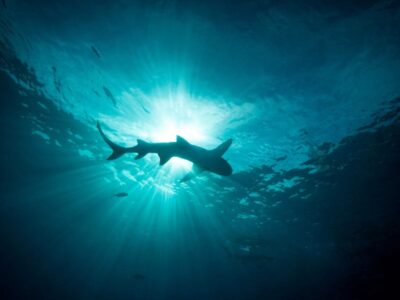
Shock As Sharks In Bahamas Test Positive For Cocaine, Caffeine And Painkillers
A disturbing new scientific discovery has revealed that sharks swimming in the seemingly pristine waters of the Bahamas are now carrying traces of cocaine, caffeine, and common painkillers in their bloodstream—raising serious concerns about the growing impact of human pollution on marine life.
The findings, published in the journal Environmental Pollution, emerged after researchers analysed blood samples from 85 sharks around Eleuthera Island. Shockingly, nearly one-third of the sharks tested positive for substances including caffeine, acetaminophen (paracetamol), diclofenac, and even cocaine.
The study covered multiple shark species, including Caribbean reef sharks, Atlantic nurse sharks, lemon sharks, and others, confirming that the contamination is not limited to a single species but widespread across the ecosystem.
Caffeine was found to be the most common substance detected, while cocaine appeared in at least one shark—an indication of recent exposure rather than long-term accumulation.
Scientists say these substances, described as “contaminants of emerging concern,” are capable of altering biological processes in animals. Drugs like diclofenac have been linked to kidney damage, while stimulants such as caffeine and cocaine can disrupt metabolism, increase blood sugar levels, and affect energy balance.
Although the sharks did not show obvious signs of abnormal behaviour, researchers observed changes in their blood chemistry, suggesting physiological stress and possible long-term health consequences.
Experts have traced the source of this contamination directly to human activity. According to researchers, the presence of these drugs is largely due to wastewater pollution—particularly from tourists and boats discharging waste into the ocean.
In some cases, sharks may also ingest drug-contaminated materials while investigating objects in the water, as they naturally bite unfamiliar items to determine if they are food.
The situation is especially troubling because the Bahamas is widely regarded as a relatively untouched marine paradise. Yet, the findings reveal that even remote ecosystems are not immune to human-induced chemical pollution.
Beyond environmental concerns, scientists warn that the contamination could have broader implications. Sharks play a critical role in maintaining marine ecosystems and are also central to the Bahamas’ tourism-driven economy. Any long-term harm to their health could ripple through both the environment and local livelihoods.
Ultimately, the study serves as a stark warning: substances consumed by humans—whether legal drugs, stimulants, or illegal narcotics—are finding their way into the ocean and silently infiltrating the food chain, affecting even apex predators like sharks.