Only Country Where Women Are Barred From Secondary and University Education
Only Country Where Women Are Barred From Secondary and University Education
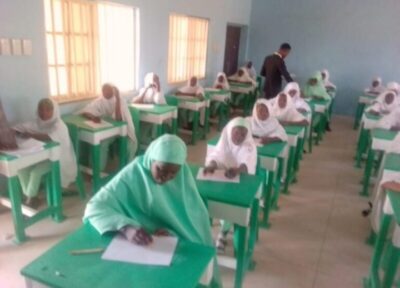
Afghanistan has become the only country in the world where women and girls are officially barred from both secondary school and university education, following ongoing restrictions imposed by the ruling Taliban government.
The country’s Minister for Higher Education, Sheikh Neda Mohammad Nadeem, recently addressed the media and reiterated the government’s stance on the issue, stating that women’s access to universities remains “suspended until further notice.”
The phrase has been repeatedly used by authorities since the Taliban first imposed the university ban on female students in late 2022, shortly after taking control of the country.
Longstanding Restrictions Since Taliban Takeover
The restrictions began after the Taliban returned to power in Afghanistan following the withdrawal of international forces and the collapse of the previous government in 2021.
In 2022, authorities announced that girls would not be allowed to attend secondary schools beyond the sixth grade. Later that year, the government expanded the restrictions by banning women from attending universities.
These policies effectively removed Afghan women and girls from most formal education systems beyond primary school, making Afghanistan the only country globally where such sweeping educational restrictions exist.
Government Justification
Officials within the Taliban administration argue that the suspension is temporary and that a framework is being developed that would allow women to study under conditions they consider compliant with their interpretation of Islamic law and Afghan cultural norms.
However, authorities have not provided a clear timeline for when the restrictions might be lifted, leaving millions of Afghan girls uncertain about their educational future.
Global Reactions and Concerns
The decision has drawn widespread criticism from international organizations, human rights groups, and foreign governments.
Groups such as United Nations and UNESCO have repeatedly called on Afghan authorities to restore girls’ access to education, warning that the continued ban could have long-term consequences for the country’s development and stability.
Education advocates argue that excluding women from education not only limits individual opportunities but also weakens the country’s economy and social progress.
Impact on Afghan Society
The restrictions have affected millions of girls who were previously enrolled in schools and universities across the country.
Many students who were close to completing their studies have been forced to abandon their academic goals, while others have turned to informal learning networks, online classes, or private tutoring in an effort to continue their education.
Observers say the situation has created widespread frustration among families and students who believe education is critical to Afghanistan’s future.
Uncertain Future
For now, Afghan women and girls remain in a state of uncertainty as the suspension continues with no clear timeline for reversal.
While the Taliban government insists the policy is temporary, international pressure continues to mount as global leaders and advocacy groups push for the restoration of education rights for Afghan women and girls.
The future of female education in Afghanistan remains one of the most closely watched human rights issues in the country today.