
INSIGHT: Environmental factors that may attract snak£s to your home
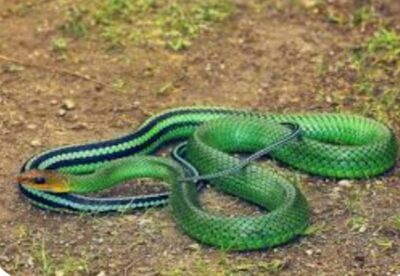
INSIGHT: Environmental factors that may attract snakes to your home
The recent case of Ifunanya Nwangene, the 26-year-old Abuja-based singer popularly known as Nanyah, who lost her life to a snake bite, has once again highlighted a recurring but often poorly understood challenge in many Nigerian communities. People often wonder why and how snakes find their way into residential spaces.
While such incidents are often viewed as random or mysterious, they can be linked to identifiable conditions and factors around homes.
This article examines the factors that may attract snakes to your house.
URBAN EXPANSION AND HABITAT DISPLACEMENT
Rapid urbanisation and landscape transformation in tropical cities fuel significant losses of natural habitats and result in overlapping zones between human settlements and wildlife habitats.
As wetlands, bushland, and farmlands are developed into cities and township areas, snakes lose their natural habitats. They, therefore, move closer to residential areas where shelter, rodents, and water remain available. This potentially intensifies human–wildlife conflicts.
According to the World Health Organisation (WHO), globally, this conflict leads to numerous human envenomations, which are a serious and neglected health concern.
BUSHY SURROUNDINGS AND OVERGROWN VEGETATION
Overgrown bushes can attract snakes
Bushy surroundings and overgrown shrubs around residential areas can attract snakes because they serve as shade and hiding environments, increasing the likelihood of encounters in neighbourhoods. Tall grasses and thick bushes protect snakes from birds of prey and humans, allowing them to move around undetected.
Thick vegetation is often damp, and this creates a comfortable and humid environment for snakes. Overgrown bushes also attract rodents and lizards, which snakes prey on. In addition, such environments also support insects, frogs, and small reptiles, which are part of snakes’ diets.
In many residential areas, poorly maintained vacant lands have become pockets of vegetation within residential areas, increasing the likelihood of snakes in nearby homes.
POOR WASTE MANAGEMENT
Watse in Lagos
Improper waste management can also draw the attention of snakes to an area
Improper waste disposal can draw snakes into neighbourhoods. When a home has refuse dumps, open trash cans, or food scraps lying around, it attracts rodents like rats and mice, which are a main food source for many snakes.
Environmental health experts point out that where there are plenty of rodents, snakes tend to show up, too. In areas with poor waste management, this can create a perfect storm that turns our homes into unexpected feeding grounds for these slippery visitors.
WATER SCARCITY AND SEASONAL WEATHER CHANGES
Seasonal changes, particularly during Nigeria’s dry season, play a significant role in snake movement. During dry seasons, snakes may migrate into settlements in search of water and food. This increases encounters around homes.
According to a 2019 study, snakes are active in warm atmospheric conditions and tend to hibernate when it is cold. When active, they move about looking for food.
Open water storage containers, leaking pipes, clogged drainage systems, and stagnant pools around homes also provide accessible moisture.
While snakes typically avoid humans, human-snake encounters occur only when avoiding humans is inevitable or when humans tread upon them; this often leads to snakebite.
Meanwhile, another study conducted in eight states in Nigeria found that above-ground activity of all venomous snakes peaked in the wet season and that high snake activity and high human activity were most highly correlated between April and August.
POULTRY KEEPING AND LIVESTOCK AROUND HOMES
Poultry farms also attract snakes
Agricultural activities and livestock near homes can attract snakes (especially cobras), particularly during wet seasons when these reptiles become more active.
With poultry, the primary attraction for snakes to chicken coops is not the birds themselves, but rather the rodents that congregate around stored feed.
Mice and rats feed on spilled grain, and this creates a hunting ground that naturally attracts their predators.
In peri-urban and rural communities, where homes are closely integrated with farming activities, snake encounters are more common.
To prevent snake entry into poultry farms, cover all potential entry points (cracks or holes) on the wall, roof, and floor of the coop; clear all grasses and tree branches around the coop; and avoid leftovers of chicken feed, eggs, or snacks inside the coop, as they attract both snakes and rodents.
HOLES, DEBRIS AND UNFINISHED STRUCTURES
Uncompleted buildings are not an exception
Structural features around homes can offer ideal hiding spots for snakes. Things like cracks in walls, open foundations, unfinished constructions, piles of firewood, and leftover building materials provide cool, shaded areas where snakes can stay hidden.
In rapidly growing neighbourhoods, ongoing construction and a lack of proper maintenance create even more opportunities for these hiding places, making residential areas more appealing to snakes looking for shelter.