
Which Budget Are We Using: 2023, 2024, 2025 Or 2026?’ Peter Obi Mocks Tinubu Govt’s Overlapping Budgets
‘Which Budget Are We Using: 2023, 2024, 2025 Or 2026?’ Peter Obi Mocks Tinubu Govt’s Overlapping Budgets
In a statement titled “Fiscal Recklessness” shared on his X (formerly Twitter) account on Monday, Obi questioned the basis on which Nigeria is currently being governed financially, following reports that the Senate may approve the 2026 national budget on March 17.
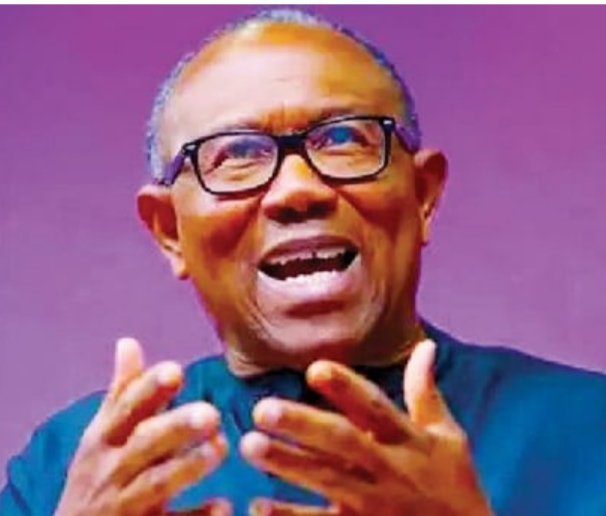
Former Anambra State Governor and 2023 Labour Party presidential candidate, Peter Obi, has accused the administration of President Bola Tinubu of fiscal recklessness, citing what he described as a confusing and opaque budgeting process marked by overlapping national budgets and weak implementation.
In a statement titled “Fiscal Recklessness” shared on his X (formerly Twitter) account on Monday, Obi questioned the basis on which Nigeria is currently being governed financially, following reports that the Senate may approve the 2026 national budget on March 17.
“With the announcement that the Nigerian Senate is likely to approve the 2026 National Budget on March 17, every Nigerian is asking an important question: which budget will Nigeria use this year?” Obi asked.
“Will it be the budgets for 2023, 2024, 2025, or 2026, or some combination of all these years?”
Obi argued that Nigeria has, in recent years, operated an unusual budgeting system in which multiple budgets run concurrently, a situation he said undermines fiscal discipline and accountability.
He noted that as of last year, items from the 2023, 2024, and 2025 budgets were reportedly being implemented simultaneously.
According to him, President Tinubu inherited a legally approved N21.83 trillion 2023 budget but later introduced a N2.17 trillion supplementary budget shortly after assuming office.
Obi said the supplementary budget drew widespread criticism for allegedly favouring public office holders at a time when Nigerians were grappling with economic hardship and reforms “without a credible social protection framework.”
He further claimed that instead of correcting fiscal imbalances, the administration continued to expand the 2023 budget without a clearly defined end date.
Obi said the trend persisted with the passage of a N35.06 trillion budget in 2024 and a N54.99 trillion budget in 2025.
“In less than three years, President Tinubu has exercised appropriation powers over more than N114 trillion in public spending,” Obi said, adding that the government had failed to achieve even 50 per cent budget implementation, which he described as “a profound crisis of budget credibility.”
Obi also expressed concern that until mid-2025, Nigeria effectively operated with three overlapping budgets without clear legal or fiscal guidance on their timelines.
“No serious country manages its budgets or fiscal operations in such a manner,” he said.
He criticised what he described as the government’s opaque decision to repeal and re-enact the 2024 and 2025 budgets with extended implementation periods, noting that Nigerians have not been provided with details of the revised budgets or information on the capital projects and associated costs.
“This is not reform; it represents fiscal obscurity elevated to the level of state policy,” Obi stated.
On the proposed 2026 budget, Obi said its lack of critical details suggested that the administration was unwilling to address what he called the structural weaknesses in Nigeria’s public finance system.
He also accused the Nigerian Government of deliberately undermining transparency by discontinuing the publication of treasury reports on the OpenTreasury.gov.ng portal and failing to release any budget implementation report in 2025.
“No nation can operate with such recklessness and succeed,” Obi warned.
He called for an urgent return to the January–December budget cycle, arguing that it would improve planning, enhance transparency and accountability, and support sustainable economic growth.