
Rival Arm£d Groups Clash in Katsina–Zamfara Forests
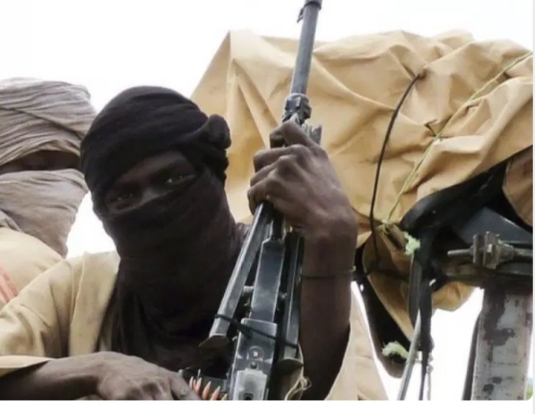
Rival Armed Groups Clash in Katsina–Zamfara Forests
On the night of December 24, 2025, while many communities across Nigeria were preparing for Christmas celebrations, chaos and terror erupted in the forests linking Katsina and Zamfara states. The violence centered around Batsari Local Government Area of Katsina State, where two notorious armed group leaders — Namurjiya and Lamo — reportedly engaged in a deadly confrontation that lasted for hours.
The Spark: A Murder Two Weeks Earlier
Sources traced the clash to a murder that occurred roughly two weeks before the incident. Namurjiya was accused of killing Abdulrahman, the younger brother of Lamo, in Shingi Tsohuwa, a community within Batsari LGA. The killing allegedly went unanswered for days, heightening tensions between the two rival factions until it finally exploded into open warfare.
Beyond the murder accusation, Namurjiya had also been linked to repeated cattle rustling attacks, particularly against Fulani communities in Batsari and neighboring Jibia LGA. These communities had previously entered peace agreements with armed groups operating in the area — agreements that now appear to have collapsed completely.
Night of Fear: Gunfire After Prayers
Eyewitnesses reported that the fighting began shortly after night prayers, when heavy gunfire echoed through the forest and surrounding villages. The clash reportedly lasted several hours, with both groups deploying sophisticated weapons.
Residents described scenes of panic and confusion, as bullets flew indiscriminately. Women, children, and other civilians were caught in the crossfire, forcing many to flee into the night in search of safety. The sound of gunshots reportedly spread fear across multiple communities bordering the Katsina–Zamfara axis.
Aftermath: Weapons Seized, Fate Uncertain
When the dust settled, Lamo’s group was said to have overpowered Namurjiya’s fighters, seizing weapons and motorcycles during the confrontation. However, the fate of Namurjiya himself remains unclear.
Conflicting reports emerged in the aftermath:
Some sources claimed Namurjiya was killed during the clash.
Others insisted he escaped with gunshot injuries, retreating deeper into the forest.
As of now, no official confirmation has been released by security agencies regarding his status.
A Familiar and Dangerous Pattern
This incident is not an isolated one. It reflects a recurring cycle of violence in the North-West, where armed groups frequently clash over revenge killings, territorial control, cattle rustling, and broken peace deals.
Observers have drawn parallels to past deadly rivalries, such as the infamous Gwaska Danƙarami–Sani Dangote feud, which claimed numerous lives and destabilized entire communities for months. Like those conflicts, the Batsari clash underscores how unresolved grievances quickly escalate into large-scale violence.
Failing Peace Deals and a Growing Security Dilemma
The repeated breakdown of peace agreements raises serious questions about the effectiveness of current conflict-resolution strategies. Many of these deals are fragile, poorly monitored, and easily abandoned when personal vendettas arise.
With rival factions increasingly settling scores through violence, the region faces a pressing question:
How can the cycle of violence be broken?
Possible paths forward include:
Stricter and sustained military intervention to dismantle armed networks
Renewed and better-structured dialogue involving local leaders and communities
Or an entirely new security approach that combines intelligence, economic support, and community-driven peacebuilding
Conclusion
The Christmas Eve clash in Batsari is a grim reminder that peace in the North-West remains fragile. Until the root causes of armed rivalry — revenge, criminal economies, and weak enforcement — are addressed, communities will continue to pay the price.
As civilians mourn, flee, and rebuild yet again, the urgency for a lasting solution has never been clearer.