If We Refuse to Give Peter Obi This Opportunity, We May Not Have Anything Like Nigeria After 2027” – Mallam Nasir El-Rufai
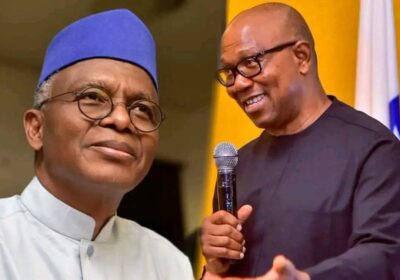
“If We Refuse to Give Peter Obi This Opportunity, We May Not Have Anything Like Nigeria After 2027” – Mallam Nasir El-Rufai
Nigeria’s political atmosphere has been shaken once again by a bold and unsettling statement from former Kaduna State Governor, Mallam Nasir El-Rufai. Known for his bluntness and sharp political instincts, El-Rufai has warned that “if we refuse to give Peter Obi this opportunity, we may not have anything like Nigeria after 2027.” It is the kind of statement that forces a nation to pause and reflect, regardless of one’s political leaning.
The reality is that Nigeria is standing at a dangerous crossroads. With economic hardship, insecurity, inflation, unemployment, public distrust, and growing agitation across regions, the country is in desperate need of a leadership reset. For many Nigerians, 2027 is not just another election year—it is a make-or-break moment for the continued existence and stability of the country.
What makes El-Rufai’s remark particularly striking is that it comes from outside Peter Obi’s political circle. In Nigeria’s deeply polarized political environment, it is rare for major figures in different camps to openly acknowledge the strength or necessity of an opponent. His statement reflects the quiet but widespread recognition among political elites that Nigerians are yearning for a new kind of leadership—one that prioritizes competence, transparency, economic prudence, and genuine national unity.
Peter Obi has become a symbol of reform politics in Nigeria. His 2023 presidential run redefined youth engagement, reshaped political discourse, and established him as a national figure whose message resonates far beyond party boundaries. Whether one agrees with him or not, Obi represents a clear departure from the old order. El-Rufai’s warning suggests that ignoring that shift could have serious consequences for the country’s future.
Nigeria has a history of overlooking public sentiment until crises erupt. From civil unrest to ethnic tension and political upheavals, the lesson has been consistent: leadership choices matter. As 2027 approaches, the stakes are higher than ever. Nigerians are not just choosing another president; they are choosing the country’s direction—toward recovery or decline, unity or fragmentation.
El-Rufai’s statement is less about personal endorsement and more about a national wake-up call. It reminds Nigerians that leadership in 2027 must reflect the hopes, frustrations, and aspirations of the people. Failing to do so could deepen the country’s divides and threaten its stability.
Whether Peter Obi becomes that choice is ultimately up to Nigerians. But the message is unmistakable: Nigeria cannot afford another leadership mistake. The 2027 election may well determine whether the nation moves forward, remains stuck, or begins to unravel