The Cost of One B0mb Could Build Schools” — Sheikh Gumi Sparks Debate on War Spending vs Education
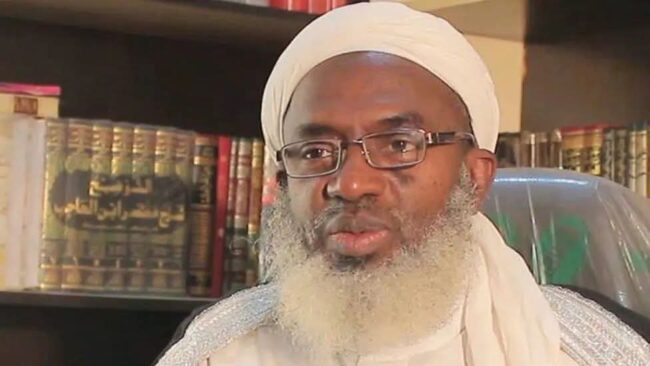
“The Cost of One Bomb Could Build Schools” — Sheikh Gumi Sparks Debate on War Spending vs Education
Sheikh Ahmad Gumi’s recent remark — “The cost of a bomb dropped on terrorists can build them schools” — has reignited a long-running national conversation about how Nigeria confronts insecurity and what truly brings lasting peace.
At the heart of his statement is a provocative comparison: the enormous financial cost of military operations versus the long-term value of investing in education and social development. While security forces focus on eliminating armed groups through force, Gumi’s argument suggests that the cycle of violence may be better broken by removing the conditions that allow extremism to grow in the first place.
The Bigger Question: Guns or Classrooms?
Modern warfare is expensive. From air operations and surveillance to logistics and weapons systems, counterterrorism campaigns consume billions of naira annually. Supporters of Gumi’s view argue that even a fraction of those funds, redirected into schools, skills training, and community development, could transform vulnerable regions where insurgent groups often recruit.
The logic is simple: poverty, illiteracy, and marginalization create fertile ground for radicalization. A child with access to quality education, mentorship, and opportunity is less likely to be drawn into violent movements. In that sense, a classroom may be a more powerful long-term weapon against extremism than any missile.
Not Everyone Agrees
Critics, however, see the issue differently. They argue that education alone cannot stop armed groups that are already deeply entrenched and actively attacking communities. In their view, military force remains necessary to protect civilians, reclaim territory, and prevent further bloodshed. Schools cannot function in areas where teachers and students fear abduction or violence.
This side of the debate believes security is the foundation upon which development must stand. Without safety, investments in infrastructure and education may simply be destroyed or abandoned.
A False Choice?
Perhaps the real challenge is that the debate is often framed as an either-or decision — bombs or books. In reality, lasting peace usually requires both immediate security measures and long-term social investment.
Military action may suppress immediate threats, but it rarely addresses the root causes of conflict. On the other hand, development without security can struggle to take hold. Sustainable stability tends to emerge when governments protect communities while simultaneously expanding education, economic opportunities, and social services.
Why Gumi’s Statement Resonates
Sheikh Gumi’s words strike a chord because they tap into public frustration. Many Nigerians have watched years of military campaigns with mixed results, while schools in conflict-prone regions remain underfunded, understaffed, or shut down entirely. His comment reflects a growing belief that the country cannot shoot its way out of every crisis.
Whether one agrees with him or not, the statement forces an uncomfortable but necessary reflection: what kind of investment truly secures the future — weapons that end lives today, or education that shapes lives for decades?
As Nigeria continues to battle insecurity, the most powerful strategy may not lie at one extreme or the other, but in finding the right balance between force and foresight.