Kano Govt Seizes Official Cars from Kwankwaso’s Son, Ex-Commissioners Who Refused APC Defection
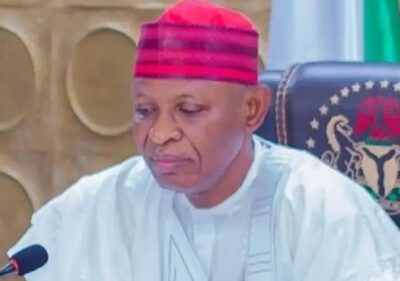
Kano Govt Seizes Official Cars from Kwankwaso’s Son, Ex-Commissioners Who Refused APC Defection
Political tensions in Kano State have taken a dramatic turn following reports that the state government has confiscated official vehicles from aides and former commissioners linked to the opposition, including the son of former governor Rabiu Musa Kwankwaso.
The move has sparked heated reactions across party lines, with critics describing it as politically motivated, while government supporters insist it is part of an administrative clean-up aimed at retrieving state property.
What Happened?
According to reports circulating within political circles, several former government officials who allegedly refused to defect to the All Progressives Congress (APC) had their official vehicles seized. Among those affected is said to be the son of Rabiu Musa Kwankwaso, a prominent political figure and leader of the Kwankwasiyya movement.
Sources claim that the vehicles in question were government-issued and were meant to be returned at the expiration of tenure or appointment. However, opposition voices argue that the action appears selective and targeted at individuals who declined to switch political allegiance.
Political Undertones
Kano has long been a hotbed of intense political rivalry. The influence of Kwankwaso, a former governor and key opposition figure, remains strong in the state’s political landscape. His political structure continues to command loyalty among many grassroots supporters.
The alleged seizure of vehicles from individuals connected to him has therefore been interpreted by some analysts as part of the broader struggle for dominance between rival factions.
Government’s Position
Though official statements may frame the action as a lawful retrieval of government assets, supporters of the current administration argue that public property must not be personalized. They insist that political affiliation should not shield anyone from compliance with administrative rules.
Reactions and Public Debate
The development has ignited conversations across social media and political forums. While some residents believe government assets should be returned promptly after service, others fear that such actions could deepen political divisions in the state.
Observers note that Kano’s political environment remains highly charged, especially as alignments and realignments continue ahead of future electoral contests.
Broader Implications
Beyond the immediate controversy, the incident raises important questions about:
The management of public assets after tenure
The intersection of governance and political loyalty
The impact of party defections on democratic stability
As events continue to unfold, political stakeholders and citizens alike will be watching closely to see whether the situation escalates or gives way to dialogue.
For now, Kano remains at the center of another political storm—one that reflects the ongoing realignment shaping Nigeria’s broader political landscape.