
JUST IN: “It was Peter Obi who told me that Tinubu is a drug lord not me” – Reno Omokri
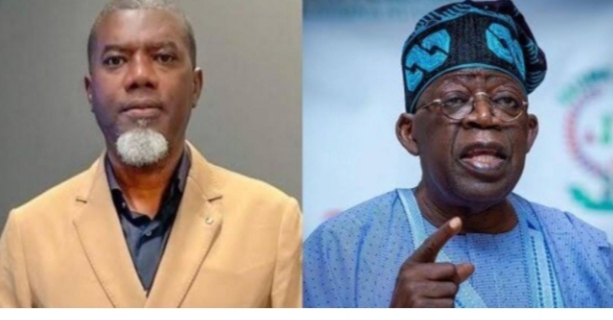
JUST IN: “It was Peter Obi who told me that Tinubu is a drug lord not me” – Reno Omokri
In a dramatic turn of events playing out in the Federal High Court in Abuja this week, Nigerian public figure and ambassador-designate Reno Omokri has addressed one of the most talked-about controversies in recent political discourse. The issue resurfaced during the ongoing trial of activist and former presidential candidate Omoyele Sowore, who is facing cybercrime charges over alleged online defamation of President Bola Ahmed Tinubu.
At the centre of the renewed debate are comments Omokri made during the heated political climate leading up to the 2023 general elections. At the time, he publicly repeated allegations describing then-candidate Tinubu as a “drug lord,” claiming he had seen information that made him believe the accusation. Those remarks gained widespread attention online and have now been referenced in court as part of Sowore’s defence argument about political speech and accountability.
However, Omokri has since distanced himself from those earlier statements. In his recent testimony and public comments, he said he was misled by information he believed to be credible at the time. According to him, some of what shaped his views came from political conversations and media narratives circulating widely during the campaign season. He now says that after further review and developments following the election, he concluded that the allegation was unfounded.
Omokri stated clearly that he has retracted those claims and has issued apologies on multiple platforms, both in writing and in televised appearances. He maintains that he did not act with malicious intent but spoke based on what he then believed to be true. In his latest clarification, he emphasized that President Tinubu “is not, has never been, and will never be a drug lord,” and argued that his previously withdrawn statements should not be relied upon in court as proof of any wrongdoing.
The situation has drawn attention not only because of the individuals involved but also because of the broader legal and political questions it raises. One major issue is the balance between freedom of expression and defamation, especially in a country where political debate is often intense and highly personal. Omokri’s reversal highlights how powerful political narratives can spread quickly, and how difficult it can be to correct the record once statements gain public traction.
Legal observers note that Omokri’s retraction may play a role in how the court treats references to his past comments in Sowore’s case. His position is that once a statement has been publicly withdrawn and acknowledged as incorrect, it should not be presented as evidence that the original claim was true. This touches on legal principles concerning defamation, intent, and the reliability of second-hand claims.
The episode has also sparked discussions about shifting political alignments. Omokri, once known as a fierce critic of Tinubu, is now publicly supportive of the president and has been linked with a diplomatic appointment. That shift has fueled debate online, with some Nigerians commending him for admitting error and others questioning the timing and sincerity of his change in stance.
Public reaction has been sharply divided. Supporters say his apology shows accountability and personal growth, while critics see it as political repositioning. On social media, the story continues to trend as Nigerians argue over credibility, loyalty, and the role of public figures in shaping political narratives.
Whatever the legal outcome of the ongoing trial, the controversy surrounding Omokri’s statement serves as a reminder of how quickly political claims can escalate into legal battles. It also underscores the importance of verification, responsible speech, and the lasting impact of words spoken during emotionally charged election seasons.