

More hardship looms for Nigerians as FG mulls plans to increase electricity tariff
More hardship looms for Nigerians as FG mulls plans to increase electricity tariff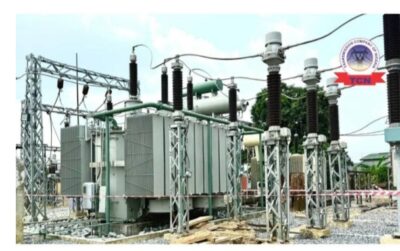
The Federal Government, through the Nigerian Electricity Regulatory Commission (NERC), has indicated that it is considering an upward review of electricity tariffs to enhance service quality for customers.
NERC disclosed this in a post on its official X account on Monday.
While the commission did not specify the new tariff rates, the post stated: “You deserve satisfaction and accurate information on the increase. There is no issue of hidden pricing or cutting off your power arbitrarily.”
The statement continued: “We are bringing the electricity tariff closer to you to improve your quality of life, and we assure you of continued protection of your rights every day.”
It added that NERC aims “to ensure access to quality, affordable electricity, and to pay for it in a painless manner,” while addressing the limitations of the current “one-size-fits-all payment system that lacks steady measurement, even amidst occasional power outages.”
The post also affirmed NERC’s commitment to handling customer complaints and protecting consumer rights.
Recall that NERC approved a major electricity tariff increase for Band A customers in April 2024, raising rates from about N68 per kWh to N225 per kWh—a roughly 240-300% hike—affecting around 15 per cent of consumers who receive at least 20 hours of daily supply.
Rates were later reduced slightly downward to N206.80/kWh in May 2024 before minor hikes to N209.50/kWh by some DisCos in July 2024, amid ongoing reviews.
However, the consumers have decried that they have not enjoyed the hours of electricity supply commensurate to the increase.
If the planned increase in electricity tariff happens, it could make life even harder for many Nigerians.
Recently, the President of the Nigeria Labour Congress, Joe Ajaero, said even workers earning ₦1 million monthly would still struggle if the naira remains weak and the economy does not improve.
Speaking in an interview with the News Agency of Nigeria (NAN), Ajaero said workers care more about the value of the naira than just salary increases.
He explained that rising inflation has reduced people’s purchasing power, making it harder for them to afford basic needs.
“Even if Nigerian workers earn ₦1 million, it will not be meaningful if the naira has no value,” he said.
According to him, workers need a stable economy and a currency strong enough to support their families throughout the month.
He also said the high cost of food, transport, and housing is putting more pressure on workers across the country.
Speaking on minimum wage, Ajaero said discussions on a new wage increase have not started yet, adding that the process follows legal procedures and timelines.