

Petrol Price May Hit N1,800 Per Litre in Nigeria — Refiners Raise Fresh Alarm
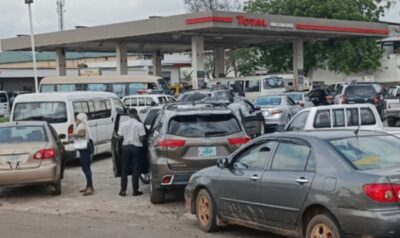
Petrol Price May Hit N1,800 Per Litre in Nigeria — Refiners Raise Fresh Alarm
Fresh concerns are emerging in Nigeria’s downstream oil sector as refiners warn that the pump price of Premium Motor Spirit (PMS), commonly known as petrol, could surge to as high as ₦1,800 per litre in the coming week.
According to a top refinery source who spoke to LEADERSHIP under anonymity, the increasing cost of crude oil, foreign exchange pressures, and rising operational expenses across the supply chain are pushing petrol prices toward another sharp increase.
Mounting Pressure on Fuel Prices
Industry insiders say several factors are combining to drive the projected price hike. One of the most significant is the continued depreciation of the naira against the U.S. dollar, which has made the importation of refined petroleum products far more expensive.
Nigeria still depends heavily on imported refined fuel despite being one of Africa’s largest crude oil producers. As a result, fluctuations in the exchange rate directly affect the landing cost of petrol.
Additionally, the international price of crude oil has been fluctuating, further impacting refining and distribution costs.
Refiners Warn of Possible Price Adjustment
The refinery source disclosed that marketers and depot owners are already anticipating an adjustment in pump prices if current market realities persist.
According to the source:
The landing cost of petrol has been rising steadily
Importers are struggling with dollar scarcity
Logistics and transportation costs have also increased
If these pressures continue, the retail price of petrol across the country could climb toward ₦1,800 per litre, particularly in major cities.
Nigerians Brace for Economic Impact
A potential increase to ₦1,800 per litre would significantly affect millions of Nigerians who are already grappling with the rising cost of living.
Petrol price hikes typically trigger a chain reaction across the economy, leading to:
Higher transportation fares
Increased food prices
Rising cost of goods and services
Greater inflationary pressure
For many households and small businesses that rely on petrol-powered generators due to unstable electricity supply, the development could worsen financial strain.
Government Yet to Issue Official Statement
As of the time of filing this report, the Federal Government and relevant regulatory agencies have not issued an official confirmation regarding any imminent fuel price adjustment.
However, stakeholders in the oil and gas sector say the current market dynamics may leave little room for price stability unless there is a significant improvement in foreign exchange availability or domestic refining capacity.
Uncertainty in the Fuel Market
The warning from refiners adds to the growing uncertainty surrounding Nigeria’s fuel market. With ongoing reforms in the petroleum sector and the gradual removal of subsidies, petrol prices are now largely influenced by market forces.
For now, Nigerians wait anxiously to see whether the predicted spike to ₦1,800 per litre will become reality in the coming days.