

Why Petrol Could Soon Cost ₦1,000 per Litre in Nigeria — What You Need to Know
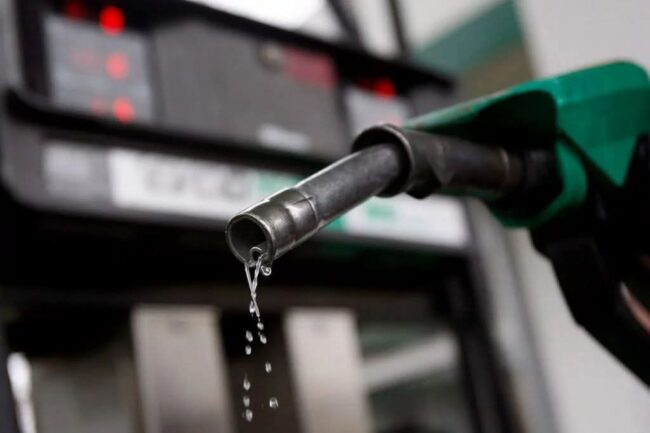
Why Petrol Could Soon Cost ₦1,000 per Litre in Nigeria — What You Need to Know
Recently, fuel marketers in Nigeria raised the alarm that the price of Premium Motor Spirit (PMS), commonly known as petrol, may reach ₦1,000 per litre in the coming days. This comes as international crude oil prices surge above $70 per barrel, pushing costs through the entire fuel supply chain. �
Punch Newspapers
1. What’s Driving the Price Increase?
At the heart of this potential price jump is the global crude oil market. Crude oil is the raw material used to make petrol. When crude becomes more expensive, every stage of fuel production and distribution becomes more costly — from refining to importation. �
Nigeria Info, Let’s Talk!
In Nigeria’s deregulated petroleum market, petrol prices at the pump closely follow global oil prices. With Brent crude now trading above $70 per barrel, refiners and marketers are adjusting gantry and retail prices upward to cover higher costs. �
Nigeria Info, Let’s Talk!
2. Local Price Adjustments in the Market
Already, major players like the Nigerian National Petroleum Company (NNPC) and private marketers have raised petrol prices in cities such as Lagos and Abuja. NNPC outlets recently adjusted prices to around ₦839 per litre in Abuja and ₦835 per litre in Lagos, while some independent marketers have reached even higher rates. �
Nairametrics
Industry insiders explain that when refiners increase the “gantry price” — the cost at which marketers buy petrol from the refinery — retailers almost always pass that increase on to consumers. �
Abuja Press
3. Why Global Crude Matters to Nigerian Drivers
Nigeria produces and exports crude oil, but most petrol sold in the country is still influenced by global pricing and foreign exchange rates:
Domestic refining output hasn’t fully replaced imports yet — meaning Nigeria still often pays international rates for petrol.
The naira-dollar exchange rate affects how much petrol costs to import or distribute locally.
When crude prices rise due to geopolitical uncertainty or supply constraints, those costs filter down to consumers. �
Nigeria Info, Let’s Talk!
4. What a ₦1,000 Per Litre Petrol Means for Nigerians
If petrol reaches ₦1,000 per litre, it won’t just impact drivers — it could affect the broader economy:
Transport costs will rise, leading to higher fares on buses, taxis, and ride-shares.
Goods and services could become more expensive, since businesses often pass fuel costs on to customers.
Nigerian households could feel increased pressure on already tight budgets. �
Nigeria Info, Let’s Talk!
5. Can Government Policy Change This?
Some energy experts and industry associations have suggested solutions — like strengthening local refineries, improving fuel stock reserves, and stabilising the currency — but these haven’t yet translated into immediate price relief. Government interventions and broader energy policy changes typically take time to influence retail prices. �
Nigeria Info, Let’s Talk!
In Summary
A combination of rising global crude prices and downstream market responses in Nigeria is creating upward pressure on petrol prices. With Brent crude now over $70 per barrel and refiners marking up gantry costs, fuel marketers warn that petrol could soon sell for ₦1,000 per litre at the pump. While this has not happened yet nationwide, recent price adjustments show the trend is already in motion. �
Punch Newspapers +1