JUST IN: World bank warns Nigeria’s growth may not lift living standards without pro- poor Policies

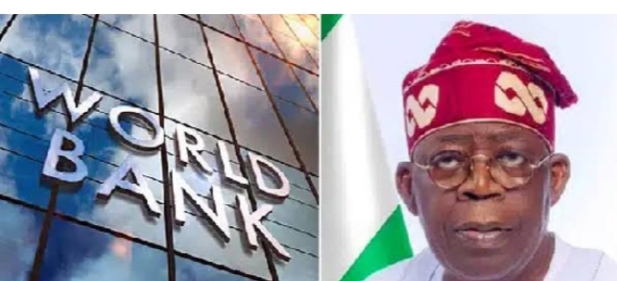
JUST IN: World bank warns Nigeria’s growth may not lift living standards without pro- poor Policies
The World Bank has cautioned that Nigeria’s recent economic recovery remains fragile and may fail to improve living standards unless deliberate policies are adopted to reduce poverty and protect vulnerable households.
The warning was issued by Dr Samer Matta, the World Bank’s Senior Economist for Nigeria, at the Nigeria Economic Summit Group (NESG) 2026 Macroeconomic Outlook presentation held in Lagos on Wednesday.
Matta said while signs of economic growth are encouraging, macroeconomic stabilisation alone is insufficient to improve household welfare. “Growth is welcome, but if it does not reach the poorest, it will be meaningless,” she said during a panel discussion.
According to the World Bank, persistent inflation, weak competition in key sectors, and uneven fiscal spending across states continue to limit the impact of economic recovery on ordinary Nigerians. Matta noted that although subnational governments now control significant revenues, spending often fails to prioritise critical areas such as education, healthcare, and social protection.
She stressed that policy attention must extend beyond headline growth figures. “Reducing inflation, improving the quality of public spending, and strengthening social protection programmes are essential to ensure that economic gains reach households,” she said.
Matta also highlighted the need for structural reforms to sustain recovery, including support for private sector-led growth and efforts to boost domestic savings. She warned that monetary policy alone cannot bridge the gap between macroeconomic stability and improved living standards.
On risks to the outlook, the World Bank identified the approaching election year as a potential threat to progress, warning that fiscal indiscipline and policy reversals could undermine recent gains.
She further underscored the importance of human capital development, urging increased investment in early childhood education, primary healthcare, and vocational training to harness Nigeria’s demographic potential and boost long-term productivity.
The World Bank’s message comes as Nigeria seeks to consolidate economic reforms, strengthen its financial system, attract private investment, and confront persistent poverty affecting millions of citizens.