
Niger, Mali, Burkina Faso Set to Present Evidence Against Nigerian Politicians Allegedly Funding Bandits
Niger, Mali, Burkina Faso Set to Present Evidence Against Nigerian Politicians Allegedly Funding Bandits
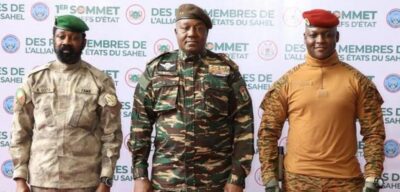
Intelligence agencies from Niger, Mali, and Burkina Faso—members of the Alliance of Sahel States (AES)—are reportedly preparing to release the names of high-ranking Nigerian politicians accused of inciting banditry in Nigeria’s troubled North-West region.
Regional security analysts report that officials from the three countries assert they have collected credible evidence connecting certain Nigerian political figures to notorious bandit leaders active in Kaduna, Zamfara, Katsina, Sokoto, Kebbi, and Niger States.
The claims imply that these politicians covertly offered financial assistance under the guise of “peace deals,” redirected development funds to acquire weapons, and even arranged safe havens and logistical support for bandit groups along the permeable Nigeria-Niger border.
According to reports, intelligence officers from AES intercepted communications and monitored the movement of money and weapons, with certain suppliers operating out of Nigerien territory.
For almost ten years, Nigeria’s North-West region has been plagued by widespread kidnappings, village attacks, cattle thefts, and extortion. These issues have exacerbated food insecurity and led to significant displacement in the area.
Although the Nigerian government has initiated military operations and peace agreements, critics argue that many of these initiatives have ultimately empowered the bandits rather than resolving the crisis.
In 2023, the AES was established following the departure of Mali, Niger, and Burkina Faso from ECOWAS. Since its formation, it has enhanced collaboration in intelligence and security efforts. Its agencies report having apprehended mediators connected to Nigerian bandits, heightening concerns about possible cross-border repercussions.
Publishing the names of involved politicians could lead to political turmoil in Nigeria, incite public anger, and weaken Abuja’s diplomatic relations with AES states. These revelations have already fueled discussions about longstanding suspicions regarding political backing for insecurity.
The Nigerian government has not yet responded, but security analysts predict that Abuja will be under pressure to initiate investigations once the list is made public. As the 2027 elections draw near, opposition parties might leverage these allegations to challenge those in power.
Analysts caution that aside from political issues, these disclosures underscore the transnational nature of arms trafficking and banditry. They reveal connections to extremist groups and are exacerbating humanitarian crises throughout West Africa.
For the millions of Nigerians facing kidnappings, killings, and displacement, there is hope that uncovering the sponsors will ultimately dismantle the networks enabling banditry to thrive.