
Tens!on in Iran as UN Reimposes Sanctions Amid Fears of Fresh Israeli A!rstrikes
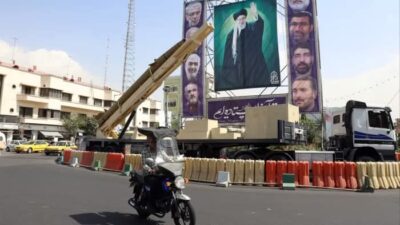
Tension in Iran as UN Reimposes Sanctions Amid Fears of Fresh Israeli Airstrikes
Iran’s leadership is facing one of its most significant challenges since the 1979 Islamic Revolution, as it contends with increasing domestic unrest and heightened international isolation following the breakdown of nuclear negotiations.
The United Nations reimposed sanctions on Tehran on Saturday after last-minute negotiations with Britain, France, and Germany to save the 2015 nuclear deal failed. These measures, aimed at oil exports, banking sectors, arms trades, and uranium enrichment processes are anticipated to exacerbate Iran’s economic crisis.
Without a breakthrough, Iranian officials caution that increased pressure could intensify public discontent and deepen divisions among the ruling elite. On the other hand, insiders note that agreeing to Western demands might jeopardize the Islamic Republic’s long-standing stance against “yielding to Western pressure.”
“The clerical establishment faces a difficult dilemma, with the survival of the Islamic Republic at stake,” one official explained to Reuters. He cautioned that “our citizens cannot endure further economic strain or another conflict.”
In Tehran, there is increasing concern about the possibility of Israeli military action if diplomatic efforts fail. A second official highlighted rising fears that Israel might target nuclear facilities once more, reminiscent of the June conflict initiated by Israeli raids and subsequent U.S. strikes on three Iranian locations—events occurring just a day prior to scheduled nuclear talks with Washington.
Former legislator Gholamali Jafarzade Imenabadi expressed to Iranian media, “I believe there is a considerable likelihood of war erupting due to Israel’s aggressive stance and the substantial backing it presently receives from the United States.”
On August 28, European powers activated the snapback mechanism, alleging that Iran violated the terms of the 2015 accord. With sanctions now imposed, Washington and its allies assert that Tehran’s nuclear program is intended to develop weapons—an accusation Iran refutes by claiming its activities are solely for peaceful purposes.
Iranian authorities suggest that the step will lead them to adopt a more stringent nuclear position, although there are voices within the government urging restraint. “The best course of action is to preserve the current situation—avoiding war and further agreements while continuing dialogue—without making additional concessions,” stated another official.
At the same time, public frustration is growing as inflation remains close to 40%, with some estimates surpassing 50%. Food and housing costs are skyrocketing due to the sharp decline of the rial. “We already struggle to make ends meet. More sanctions mean more economic pressure. How are we going to survive?” said Shima, a 36-year-old teacher and mother of two from Tehran.
China continues to serve as a crucial lifeline by being the primary purchaser of Iranian oil, yet uncertainties loom over these exports due to the reinstated sanctions. According to analysts, this situation leaves Iran’s clerical leadership caught between external pressures and internal unrest, with limited options for maneuverability.