14 banks have met capital requirement — Cardoso
14 banks have met capital requirement — Cardoso
So the Central Bank Governor, Olayemi Cardoso, dropped a statement that sounds scary on the surface: “14 banks have met the capital requirement.” Yes, that’s true, but it doesn’t mean the rest are unsafe, nor should anyone panic. Meeting the requirement is a working process, a timeline, a target, not a verdict on who’s going under or who is trustworthy. In March 2024, the CBN raised the minimum capital banks must hold, different thresholds depending on whether the bank is international, national, regional, or non-interest.
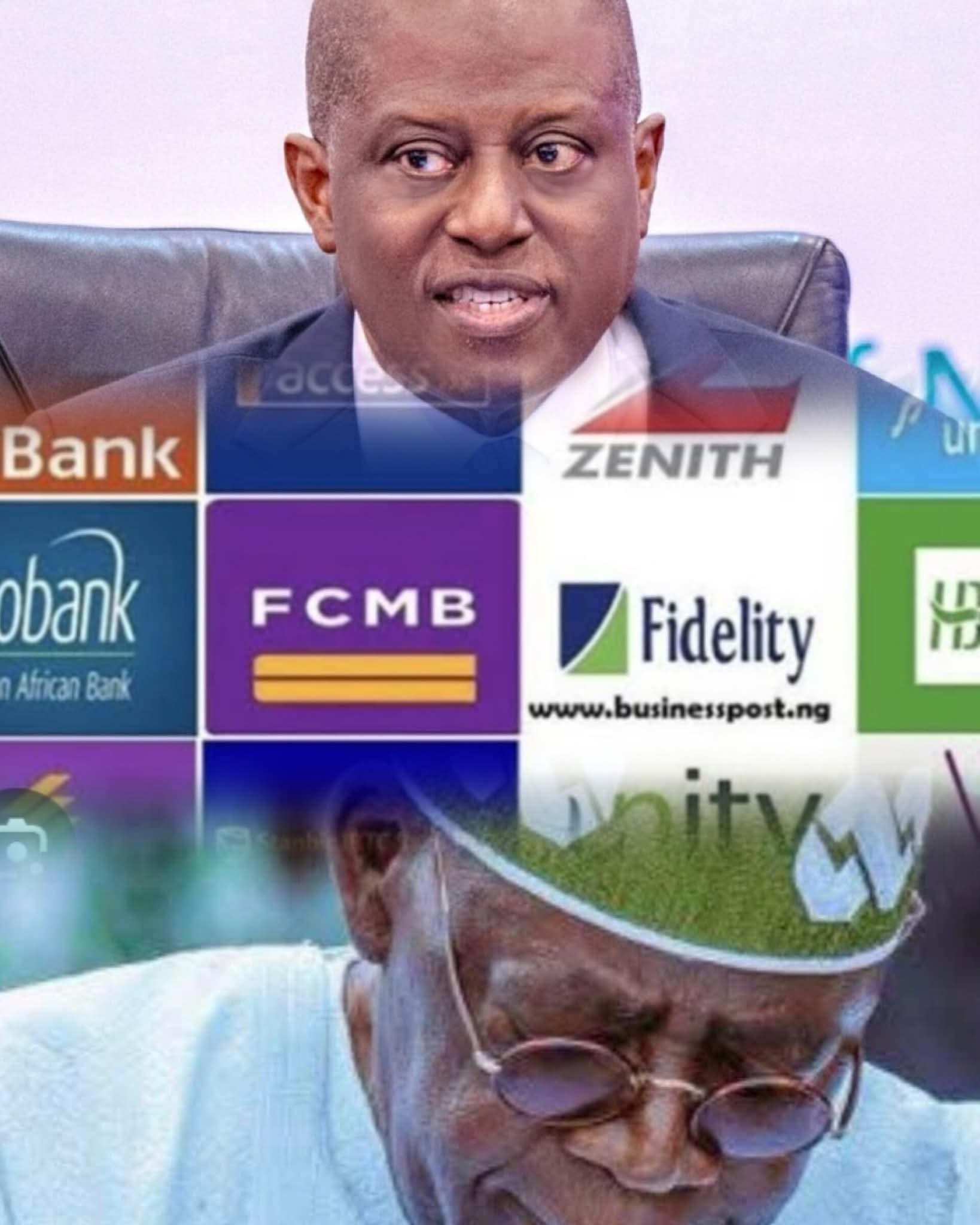
So far, several big banks have made the cut: Access Bank, Zenith Bank, Ecobank Nigeria, Jaiz Bank, Wema Bank, and Stanbic IBTC are among those already over the new thresholds. These banks have raised fresh capital via rights issues, public offers, etc., to meet or exceed what the CBN now demands.
But there are many that haven’t yet fully achieved it. United Bank for Africa (UBA), First Bank, Fidelity Bank, FCMB, Sterling Bank and others are still raising funds, planning private placements, or looking at strategic moves to close the gap. For some smaller banks or foreign-owned ones like Standard Chartered Nigeria and Citibank Nigeria, the shortfall is still significant.
Now, here’s where people might misinterpret: “Your bank hasn’t met the new capital base yet” does not automatically mean “your deposits are at risk.” The purpose of these capital base requirements is to ensure banks have enough buffer to absorb shocks, expand, and be more resilient, not to tell customers to run. Banking regulation is gradual. There is still time before the March 2026 deadline. Regulators are watching, reporting, giving banks leeway where needed, and pushing recapitalization efforts.
It would be misplaced for anyone, government included to use Cardoso’s announcement as a “panic hood,” as in, “everyone should freak out and take their money out.” That would erode confidence, which is the very thing such policy is designed to protect. Yes, there will be consequences for those who don’t comply, mergers, acquisitions, license downgrades but those are structural fixes, not immediate signals that people’s savings or money in the bank are unsafe.
So what should you do if your bank hasn’t met the requirement yet? Check for transparent communication from the bank: are they raising capital, doing rights issues, private placements? Are they clear with you, the customer? Regulators are also expecting banks to report progress. If the bank is open and complying with regulatory orders, your funds remain protected under the existing laws. In short: yes, 14 banks have met the requirement, and that is good news. But “not yet” does not equal “unsafe.” It equals “in progress.” Government announcements like this should inform, not frighten, and the safety net for ordinary depositors is still in place.